
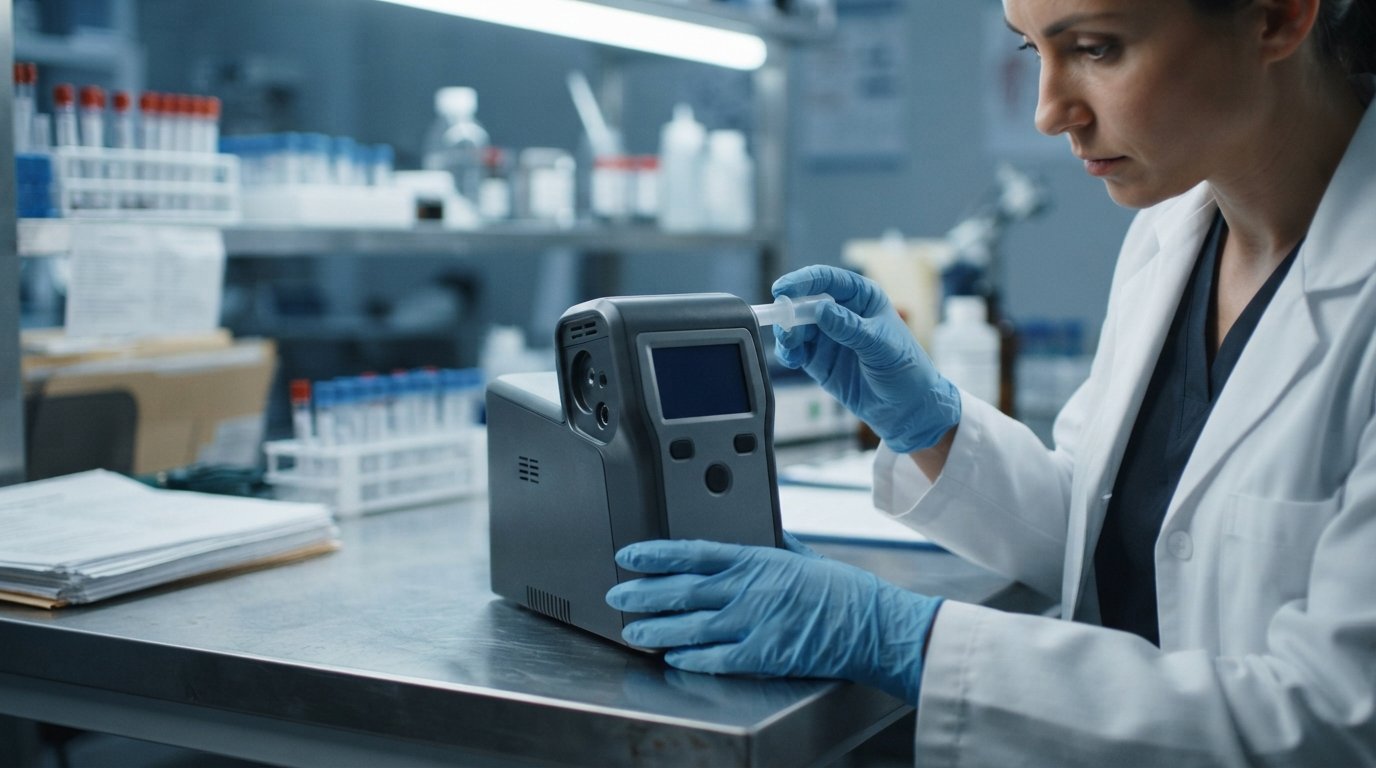
Challenging Breathalyzer Accuracy in a DUI Case
Challenge breathalyzer accuracy in a DUI case by questioning device records, operator procedure, and physiological factors. Call (855)-545-2917 for a free case review.

By Owen Ingram
You blew into a breathalyzer, and the machine reported a number above the legal limit. That single reading can feel like the end of the story, but it is not. Breath test devices are machines, and machines can be wrong. They require careful calibration, proper maintenance, trained operators, and a controlled testing environment. When any of those elements is off, the result is open to challenge. This article explains how challenging breathalyzer accuracy in a DUI case works, from obtaining device records to questioning operator procedure and raising physiological factors that can inflate a reading. The goal is not to tell you what will happen in your case, but to help you understand the defenses that exist and why timely legal review matters.
Why Breathalyzer Results Are Not Bulletproof
Breathalyzer devices estimate blood alcohol concentration (BAC) by measuring alcohol in a breath sample and applying a conversion ratio. That process assumes the device is calibrated correctly, the sample was taken properly, and the person's physiology fits the model the device uses. In practice, each of those assumptions can fail. A device that is out of calibration, an operator who skipped a step, or a mouth that still holds alcohol from a recent drink can all produce a reading that does not reflect true BAC.
Courts and defense attorneys have long recognized these vulnerabilities. Many jurisdictions require breath test devices to be certified, maintained on a set schedule, and operated by trained personnel. When those requirements are not met, the reading may be challenged. Even when they are met, the science behind breath testing leaves room for cross-examination and, in some cases, suppression of the result. The key is knowing where to look and acting before deadlines pass.
It is also important to understand what a breath test does not do. It does not measure BAC directly; it estimates it. It does not account for individual variation in body temperature, breathing patterns, or mouth alcohol unless the operator follows strict protocols. And it does not eliminate the need for a second, confirmatory test in many situations. A single reading, standing alone, is often the weakest link in the prosecution's case.
Calibration, Maintenance, and Certification Records
Every breath test device used for law enforcement should have a paper trail. That trail includes initial certification, periodic calibration checks, maintenance logs, and records of any repairs. If the device was not calibrated within the required interval, or if a calibration check failed and was not corrected, the reliability of every reading taken after that point can be questioned.
Defense counsel typically requests these records through discovery. The request may include calibration certificates, maintenance logs, software version information, and the credentials of the person who performed the calibration. In some states, the device must also be tested with a known alcohol solution or a simulator before and after a subject test. If those tests were skipped or the results were outside the acceptable range, the reading may be challenged.
Here is what a thorough records request often looks for:
- Calibration and maintenance logs for the specific device used in your case
- Certification records showing the device met state requirements at the time of your test
- Repair history, including any known malfunctions or software updates
- Records of the simulator or control solution tests run before and after your sample
- Documentation of the operator's training and certification
If any of these records are missing, incomplete, or show a lapse, that gap can become a central issue in challenging breathalyzer accuracy in a DUI case. Judges and juries are more willing to doubt a machine when the state cannot show it was working properly on the day it was used.
Operator Training and Testing Procedures
The person who administered your breath test matters as much as the machine. Breath test operators must be trained and certified, and they must follow a specific sequence of steps. Those steps typically include observing the subject for a set period before the test, ensuring nothing enters the mouth during that time, and running the device according to the manufacturer's instructions. Skipping a step can contaminate the sample or produce an unreliable result.
Common procedural failures include failing to observe the required pre-test deprivation period, not checking the subject's mouth for food, gum, or other items, and not running the required blank or control tests. If the operator cannot testify credibly that every step was followed, the reading may be challenged. Cross-examination of the operator is often where these issues surface.
Operator training records are also fair game. If the operator was newly certified, had a lapse in certification, or was trained on a different device model, that information can be relevant. In some cases, the operator may not remember the specifics of your test, which can weaken the prosecution's foundation for admitting the result.
Physiological Factors: Diet, Dental Work, and Mouth Alcohol
Breath test devices are designed to measure deep lung air, but they can be fooled by alcohol in the mouth. This is known as mouth alcohol, and it can produce a falsely high reading. Common sources include recent consumption of alcohol, certain foods, mouthwash, and even some medications. Dental work, such as fillings, crowns, or dentures, can trap alcohol and release it slowly, contaminating the breath sample.
Diet can also play a role. Very low-carbohydrate diets can produce acetone in the breath, which some devices may misinterpret. Acid reflux, vomiting, or belching shortly before the test can bring stomach contents into the mouth and affect the reading. Even the subject's breathing pattern can influence the result if the sample is not taken properly.
These physiological factors are why the pre-test observation period exists. If the operator did not properly observe you, or if you told the operator about recent dental work or acid reflux and that information was ignored, the reading may be challenged. Defense counsel may also consult an expert who can explain how these factors can inflate a breath test result.
Why a Single Reading Can Be Questioned Without a Second Sample
Many states require two breath samples, taken a few minutes apart, to confirm a result. If only one sample was taken, or if the two samples differ significantly, the reliability of the reading is open to attack. A single reading provides no internal check on the device's performance during your test. Without a second sample, the prosecution cannot show that the device would have produced a consistent result.
In some jurisdictions, a single reading is still admissible, but the lack of a second sample gives defense counsel a strong argument. It raises questions about whether the device was functioning properly at that moment and whether the operator followed the correct procedure. If the device was supposed to run a blank test between samples and did not, or if the second sample was refused or not offered, that gap can be significant.
This is one reason why challenging breathalyzer accuracy in a DUI case often focuses on the entire testing process, not just the final number. The absence of a confirmatory sample is a procedural weakness that can be exploited, especially when combined with other issues like calibration lapses or operator error.
How Defense Counsel Requests Device Records
Obtaining device records is a formal process. Defense counsel typically sends a discovery request to the prosecutor, asking for all records related to the device, its maintenance, and the operator. In some cases, a subpoena may be needed to get records from the device manufacturer or the agency that maintains the device. The request should be specific and comprehensive.
The steps generally look like this:
- File a discovery request for all breath test records, including calibration, maintenance, and certification documents.
- Request the operator's training and certification records, as well as the operator's notes from your test.
- Obtain the device's software version and any known issues or recalls.
- Depose the operator or the person responsible for maintaining the device if the records are incomplete or inconsistent.
- Consult an expert to review the records and identify any deviations from required procedures.
Timing matters. Records can be lost or destroyed, and some jurisdictions have short deadlines for requesting them. If you are facing a DUI charge, it is important to speak with an attorney early so that these requests can be made promptly. For a step-by-step overview of the process, see our guide on how to challenge breathalyzer results in a DUI case.
If you are not sure where to start, you can request a free legal case review to connect with an attorney who handles DUI defense in your area. AutoInjuryAccident.com is not a law firm and does not provide legal advice, but it can help you request a confidential review with a participating attorney at no cost and no obligation.
Building a Challenge: Combining Defenses for Better Results
Challenging breathalyzer accuracy in a DUI case is rarely about a single flaw. The strongest challenges combine several issues: a calibration record that shows a lapse, an operator who cannot recall the observation period, a physiological factor that was ignored, and the absence of a second sample. Each issue alone may not be enough, but together they can create reasonable doubt or support a motion to suppress the result.
It is also important to understand that a breath test challenge is not the only defense in a DUI case. Field sobriety tests, the traffic stop itself, and the officer's probable cause to arrest can all be challenged. But the breath test is often the most technical piece of evidence, and it is the one most vulnerable to procedural and scientific attack.
Because DUI laws, device requirements, and deadlines vary by state, the specific approach will depend on where your case is filed. A local attorney can tell you what records are available, what the device requirements are, and how courts in your area have treated similar challenges. The information in this article is educational and is not a substitute for legal advice.
If you are facing a DUI charge and want to understand your options, consider requesting a free, confidential case review. You do not have to hire a lawyer, and submitting a request does not create an attorney-client relationship. But it can give you a clearer picture of the defenses that may be available and the steps you can take to protect your rights.