
Do You Need a Lawyer for a Car Accident With Only Property Damage?
Property damage only? Learn when a lawyer helps with diminished value, total loss, or rental disputes. Call (855)-545-2917 for a free case review.

By Wesley Turner
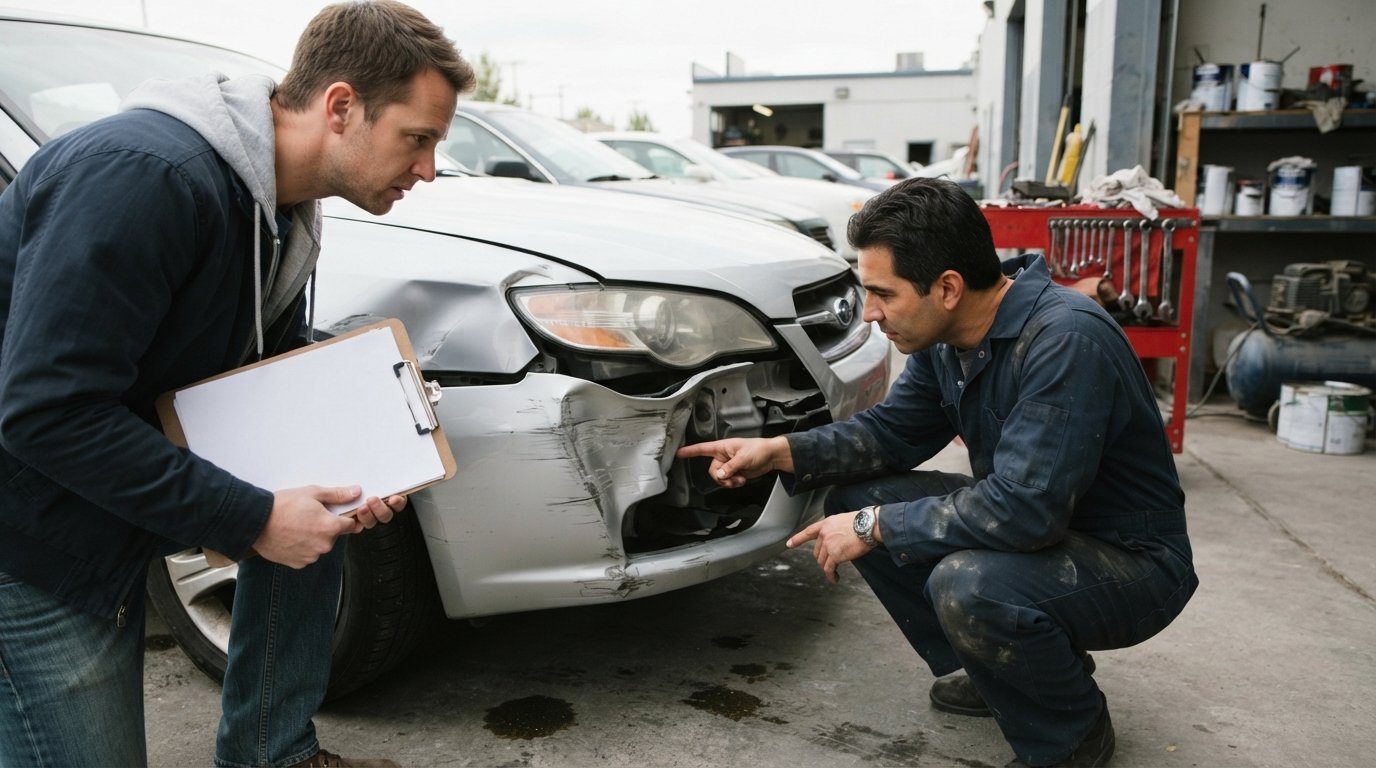
Your bumper is crumpled, your fender is scraped, and the other driver's insurance company is already calling with a lowball offer. You walked away without a scratch, so you assume you can handle this yourself. But then the adjuster mentions "betterment," your rental car runs out in three days, and the repair shop finds hidden frame damage. Suddenly, a simple property damage claim feels like a legal maze. If you are asking yourself, do you need a lawyer for a car accident with only property damage, you are not alone. The answer is rarely a simple yes or no. It depends on the size of the claim, the behavior of the insurer, and whether hidden injuries or valuation disputes emerge. This guide breaks down when you can confidently go it alone, when an attorney can level the playing field, and how a free case review can protect you from leaving money on the table.
Why Many Property Damage Claims Settle Without an Attorney
In a straightforward collision where fault is clear and the damage is modest, hiring a lawyer often does not make financial sense. Most property damage claims fall into a predictable pattern: the at-fault driver's insurer accepts liability, an adjuster inspects your vehicle, and a repair estimate is approved. You might negotiate a rental car for a few days and sign a release. For claims under a few thousand dollars, attorney fees (typically a contingency percentage) could eat up any additional recovery the lawyer wins, leaving you with less than if you had settled directly.
Insurance companies know this math, which is why they often move quickly on small property damage claims. They want to close the file before you notice diminished value or hidden damage. If you have a clear police report, a cooperative adjuster, and a repair shop you trust, you can usually handle the process yourself. The key is to document everything: photos of the damage, the police report number, repair estimates, and all communication with the insurer. Without an attorney, you are your own best advocate, and organization is your strongest tool.
That said, the absence of a lawyer does not mean the absence of risk. Even a small claim can become complicated if the insurer disputes fault, delays payment, or undervalues the repair. This is where education matters. Understanding your state's fault rules (at-fault, no-fault, or comparative negligence) and your policy limits helps you spot when an offer is unfair. For a deeper look at how treatment gaps can affect a claim, our guide on a gap in treatment after a car accident and your claim explains why even minor crashes deserve careful documentation.
When Diminished Value and Rental Reimbursement Disputes Change the Math
Two issues frequently turn a simple property damage claim into a negotiation that benefits from legal insight: diminished value and rental reimbursement. Diminished value is the difference between your car's market value before the accident and after it has been repaired. Even a flawless repair leaves a vehicle with an accident history, and that history can reduce resale or trade-in value by hundreds or thousands of dollars. Many insurers will not volunteer diminished value payments, and some states do not require them in third-party claims. If you drive a newer or higher-end vehicle, this loss can be substantial.
Rental reimbursement is another pressure point. If you need a car for work or family obligations, the insurer may offer a low daily rate or limit the number of days. They might also argue that your vehicle was drivable, even if it was not safe. These disputes are not just about money; they are about leverage. An attorney who handles property damage claims can demand proper rental coverage, document the need for a longer repair period, and pursue diminished value when the law allows it.
Consider this scenario: You drive a two-year-old SUV. The repair bill is 4,000 dollars, but the accident history drops your trade-in value by 3,000 dollars. The insurer offers a 500-dollar diminished value check. You can accept it, or you can push back with an independent appraisal. An attorney can review the appraisal, send a demand letter, and if necessary, file a claim in small claims court. The math changes when the potential recovery exceeds the cost of legal help. Here are signs that a property damage claim is worth escalating:
- The insurer refuses to pay diminished value or offers an unreasonably low amount.
- Your rental car coverage is cut short, leaving you without transportation.
- The repair shop finds hidden damage that the adjuster did not include.
- The at-fault driver's policy limit is too low to cover your damages.
- You discover that your own uninsured or underinsured motorist coverage could apply.
If any of these apply, a free case review can help you understand whether an attorney can recover more than you would save in fees. Many property damage attorneys work on a contingency or flat-fee basis for these disputes, and some will provide a free initial consultation. The goal is not to sue everyone; it is to make sure you are not paying out of pocket for someone else's mistake.
How to Handle Total Loss Valuation Disagreements With an Insurer
A total loss occurs when the repair cost exceeds a percentage of your vehicle's actual cash value (ACV), typically around 70 to 80 percent depending on the state. When your car is totaled, the insurer pays the ACV, not the replacement cost. This is where many disagreements arise. The insurer's valuation might rely on comparable vehicles with higher mileage, different options, or prior damage. You might believe your car was worth more, especially if you maintained it well or added aftermarket parts.
You have the right to challenge a total loss valuation. Start by requesting the valuation report and checking the comparables. If the report lists vehicles that are not truly comparable, gather your own evidence: receipts for recent maintenance, photos of your car's condition, and listings for similar vehicles in your area. You can also hire an independent appraiser, though the cost (often 200 to 500 dollars) may not be worth it for a low-value car. If the difference between the offer and your evidence is significant, an attorney can negotiate on your behalf or advise you on small claims court limits.
Total loss claims also involve ancillary costs like sales tax, title transfer fees, and registration. Some states require insurers to cover these, but others do not. An experienced attorney knows the rules in your state and can demand that the insurer include all legally required payments. This is not about being greedy; it is about being made whole. If you are unsure whether your total loss offer is fair, a free case review can provide clarity without obligation. Remember, AutoInjuryAccident.com is not a law firm or lawyer referral service, but it connects you with participating attorneys who can evaluate your situation.
Signs an Injury Appeared Later That Shifts the Claim
Many car accident injuries do not show up immediately. Whiplash, concussions, and soft tissue damage can take hours or days to produce symptoms. If you initially felt fine and settled your property damage claim, you might later discover that you need medical treatment. This is a critical turning point. Once you sign a release for property damage only, you generally cannot reopen the claim for injuries. However, if you have not signed a release, or if the release was limited to property damage, you may still have time to pursue a personal injury claim.
Insurance adjusters are trained to ask about injuries early. If you say you are not hurt, they will document that statement. Later, when you claim an injury, they will use your earlier statement to challenge credibility. This is why it is wise to avoid definitive statements about your health until you have seen a doctor. If you notice pain, stiffness, headaches, or numbness after the accident, seek medical attention promptly. Then, consult an attorney before speaking further with the insurer. The property damage claim and the injury claim are separate, but they are connected by the same accident. An attorney can help you preserve both.
Even if you only have property damage now, it costs nothing to ask a legal professional what to do if symptoms appear later. A free case review can explain your state's statute of limitations for personal injury, which is typically two to three years but varies. Missing that deadline can bar your claim forever. If you are uncertain, err on the side of caution. The legal information resources on attorney lawsuits can also help you understand your rights when dealing with insurers and legal professionals.
When a Free Case Review Is Worth It Even Without Major Injuries
A free case review is not just for people with broken bones or totaled cars. It is a low-risk way to get professional feedback on your situation. Many law firms offer free consultations for property damage claims, and some will tell you honestly if you do not need a lawyer. That honesty is valuable. Even if you ultimately handle the claim yourself, the review can reveal issues you missed: policy limits, subrogation rights, diminished value, or deadlines you did not know existed.
Consider the following situations where a free case review is worth your time:
- The insurer denies liability or delays payment without a clear reason.
- You discover hidden damage after the initial estimate.
- You are offered a settlement that seems low but you are not sure why.
- You have uninsured motorist coverage and the at-fault driver has no insurance.
- You signed a release but later found additional damage or injuries.
In each case, a brief conversation with an attorney can clarify your options. AutoInjuryAccident.com helps people request a free, confidential case review from participating attorneys who advertise on the site. The site is not a law firm and does not provide legal advice, but it can connect you with professionals who do. Submitting a form does not create an attorney-client relationship or obligate you to hire anyone. It is simply a way to get information before you decide.
Property damage claims can be handled on your own, but you do not have to. The decision to hire a lawyer should be based on the complexity of your claim, the behavior of the insurer, and the value of what is at stake. If you are facing a dispute over diminished value, total loss valuation, or rental reimbursement, an attorney can often recover more than their fee. If your claim is small and straightforward, you can save money by negotiating directly. Either way, knowing your rights and documenting everything is the key to a fair outcome. For a no-cost case review following a car crash, consider reaching out to a participating attorney through AutoInjuryAccident.com. Call (855)-545-2917 to speak with a representative who can guide you through the process.