
DUI Charge When You Were Not Driving: Your Legal Options
Facing a DUI charge when you were not driving at the time? Get a free confidential case review. Call 8555452917 to connect with an attorney today.

By Wesley Turner
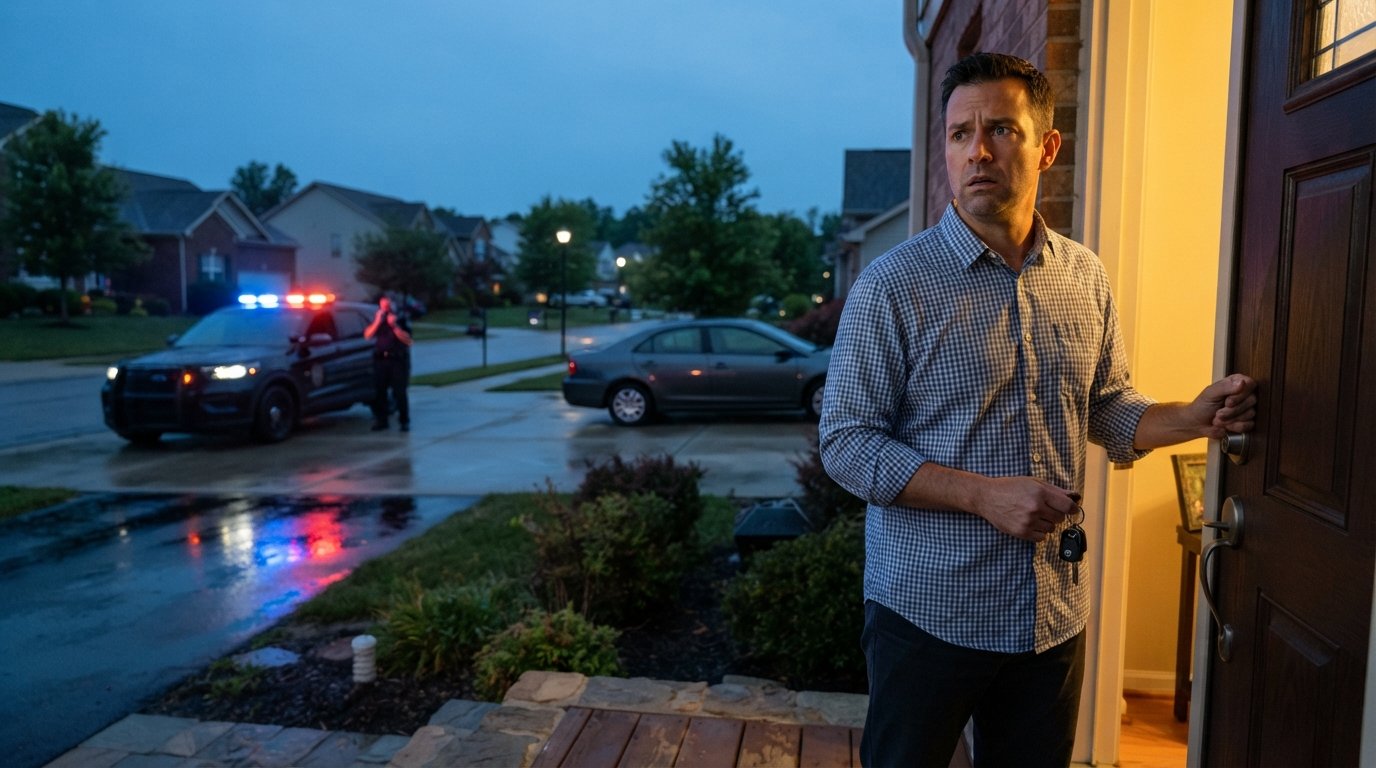
You are sitting at home when a police officer knocks on your door and informs you that you are being charged with driving under the influence. The problem is, you were not driving. Perhaps you were asleep in the back seat, or maybe you handed your keys to a sober friend hours ago. Or worse, you lent your car to someone else who was arrested for DUI, and now the charge is showing up against your name. If you are facing a DUI charge when you were not driving at the time, the situation can feel confusing and deeply unfair. The legal system does not always make it easy to untangle these cases, but the law does recognize that actual physical control and operation matter. Understanding the nuances of DUI statutes, the concept of actual physical control, and the defenses available is the first step toward protecting your rights.
Understanding DUI Laws and Actual Physical Control
Every state has its own definition of what it means to be in control of a vehicle for DUI purposes. While the specifics vary, most jurisdictions follow a similar logic: the prosecution must prove that the defendant was either driving or in actual physical control of the vehicle while impaired. Actual physical control is a legal concept that extends beyond simply driving down the road. It generally means the person had the capability and opportunity to operate the vehicle, even if the car was not moving at the time.
However, actual physical control is not unlimited. Courts have developed factors to determine whether someone was in control. These factors often include where the person was seated, whether the engine was running, whether the keys were in the ignition, and whether the person had the ability to start the car and drive away. If you were not driving but were merely sitting in a parked car, the prosecution may still try to argue that you were in physical control. Your defense will hinge on demonstrating that you were not in a position to operate the vehicle or that you had taken steps to ensure you could not drive, such as placing the keys in the trunk or handing them to a sober passenger.
It is also important to recognize that DUI charges can arise in situations where you were not even in the vehicle. For example, if you own a car and lend it to someone who then drives drunk, you could face charges if the state has a theory of liability that extends to the owner. This is rare but possible in some jurisdictions. More commonly, a person might be charged with DUI when they were sleeping in their car to sober up, a scenario that has led to numerous court battles over the meaning of actual physical control.
Common Scenarios Where You Are Charged But Not Driving
There are several fact patterns that commonly lead to a DUI charge when you were not driving at the time. Knowing these scenarios can help you identify whether your situation fits a recognized defense.
One frequent scenario is the parked car with the engine running. You might have pulled over to rest, turned on the heater, and fallen asleep. An officer approaches, sees you behind the wheel, smells alcohol, and arrests you for DUI. Even though you were not driving, the prosecution will argue that you were in physical control because the engine was running and you were in the driver's seat.
Another scenario involves a vehicle that is not even operational. If the car is up on blocks, has no tires, or the battery is dead, it is difficult for the state to prove you could have driven it. In these cases, a DUI charge may be dismissed if the defense can show the vehicle was inoperable.
A third scenario is when you are a passenger in your own car. You let a friend drive because you had been drinking. The friend is pulled over and arrested for DUI. In some states, you could also be charged if the officer believes you were in control of the vehicle because you owned it, but this is less common and heavily dependent on state law.
Finally, there is the situation where you are not in the car at all. You might be walking home from a bar and decide to sit in your parked car to call a ride. An officer sees you and, based on your condition, arrests you for DUI. Without evidence that you drove or intended to drive, these charges are often defensible.
Legal Defenses for a DUI Charge When You Were Not Driving
If you are facing a DUI charge when you were not driving at the time, you have several potential defenses. The strength of each defense depends on the specific facts and the laws of your state.
The most powerful defense is often lack of actual physical control. Your attorney will argue that you were not in a position to operate the vehicle. Evidence such as the location of the keys, your seating position, and whether the car was running can all support this defense. For instance, if you were sleeping in the back seat with the keys in the glove compartment, it is harder for the state to prove you had control.
Another defense is that the vehicle was inoperable. If the car could not be driven due to mechanical issues, the prosecution cannot prove you had the ability to drive it. This defense requires documentation such as repair records or testimony from a mechanic.
You might also challenge the traffic stop itself. If the officer did not have reasonable suspicion to approach your vehicle, any evidence gathered afterward could be suppressed. This is a constitutional issue that can lead to dismissal of the charges.
Finally, you can attack the accuracy of the field sobriety tests and chemical tests. These tests are not infallible, and a skilled attorney can question their administration and results. If you were not driving, the tests are less relevant, but they may still be used to show impairment. Challenging their validity can weaken the prosecution's case.
Steps to Take If You Are Facing a DUI Charge
If you have been charged with DUI when you were not driving, it is crucial to act quickly and methodically. The steps you take in the immediate aftermath can significantly impact the outcome of your case.
- Do not speak to the police without an attorney. Anything you say can be used against you. Politely decline to answer questions until you have legal representation.
- Document everything. Write down your recollection of events as soon as possible. Note where you were, where the keys were, whether the engine was running, and who else was present. Take photos if possible.
- Preserve evidence. If there are witnesses who can testify that you were not driving, get their contact information. If there is video surveillance from a nearby business, ask the owner to preserve it.
- Contact a DUI defense attorney. An experienced lawyer can evaluate your case, explain the charges, and build a defense strategy tailored to your situation.
- Request a DMV hearing. In many states, you have a limited window to request a hearing to challenge the automatic suspension of your driver's license. Missing this deadline can result in a suspended license even if you are acquitted of the DUI.
Taking these steps promptly can make a significant difference. It is also wise to understand the broader legal landscape, such as the difference between a misdemeanor and a felony DUI, which can affect the severity of penalties. For a deeper look at felony DUI charges, you can read our guide on what is a felony DUI charge to understand the key facts.
The Role of an Attorney in Non-Driving DUI Cases
DUI cases where the defendant was not driving are often more complex than standard DUI cases. They require a deep understanding of state-specific statutes, case law on actual physical control, and creative defense strategies. An experienced DUI attorney can dissect the prosecution's evidence and identify weaknesses.
For example, your attorney might file a motion to dismiss based on the legal insufficiency of the charge. If the state cannot prove you were in physical control, the case should not proceed. Alternatively, your lawyer might negotiate a plea bargain to a lesser charge, such as reckless driving or a non-moving violation, which can avoid jail time and reduce long-term consequences.
It is also important to have an attorney who understands the collateral consequences of a DUI conviction. These can include increased insurance rates, difficulty finding employment, and restrictions on professional licenses. Even if you were not driving, a conviction can have lasting effects.
If you are looking for legal representation, you can use a resource like AttorneyDirectory.Lawyer to find a qualified DUI defense lawyer in your area. Many attorneys offer free consultations, allowing you to discuss your case without obligation.
How AutoInjuryAccident.com Can Help You Find Legal Representation
AutoInjuryAccident.com is a consumer matching site that connects individuals facing DUI charges with independent attorneys who advertise on the platform. The site is not a law firm or a lawyer referral service and does not provide legal advice. However, it offers a free, confidential case review service that can help you understand your options.
If you have been charged with a DUI when you were not driving at the time, you can submit your information through the site and request a no-cost case review. Participating attorneys in the nationwide network may contact you to discuss your situation. There is no obligation to hire any attorney, and the process is designed to be pressure-free.
Submitting a form does not create an attorney-client relationship, and you should not rely on the site for legal advice. Instead, it serves as a starting point to connect with legal professionals who can evaluate your case. The site's patented attorney selection process aims to identify top attorneys, giving you access to experienced representation.
Remember, fault rules, insurance, and deadlines vary by state. It is essential to act quickly to protect your rights. Whether you were sleeping in your car, handed your keys to someone else, or were not even near the vehicle, a DUI charge when you were not driving at the time is a serious matter that requires prompt legal attention.
Facing a DUI charge when you were not driving can feel like a nightmare, but you are not without options. The law recognizes that not every person found near a vehicle is guilty of driving under the influence. By understanding the concept of actual physical control, gathering evidence, and seeking skilled legal representation, you can build a strong defense. Do not wait to take action. Reach out to an attorney who can help you navigate this challenging time and work toward a resolution that protects your future.