
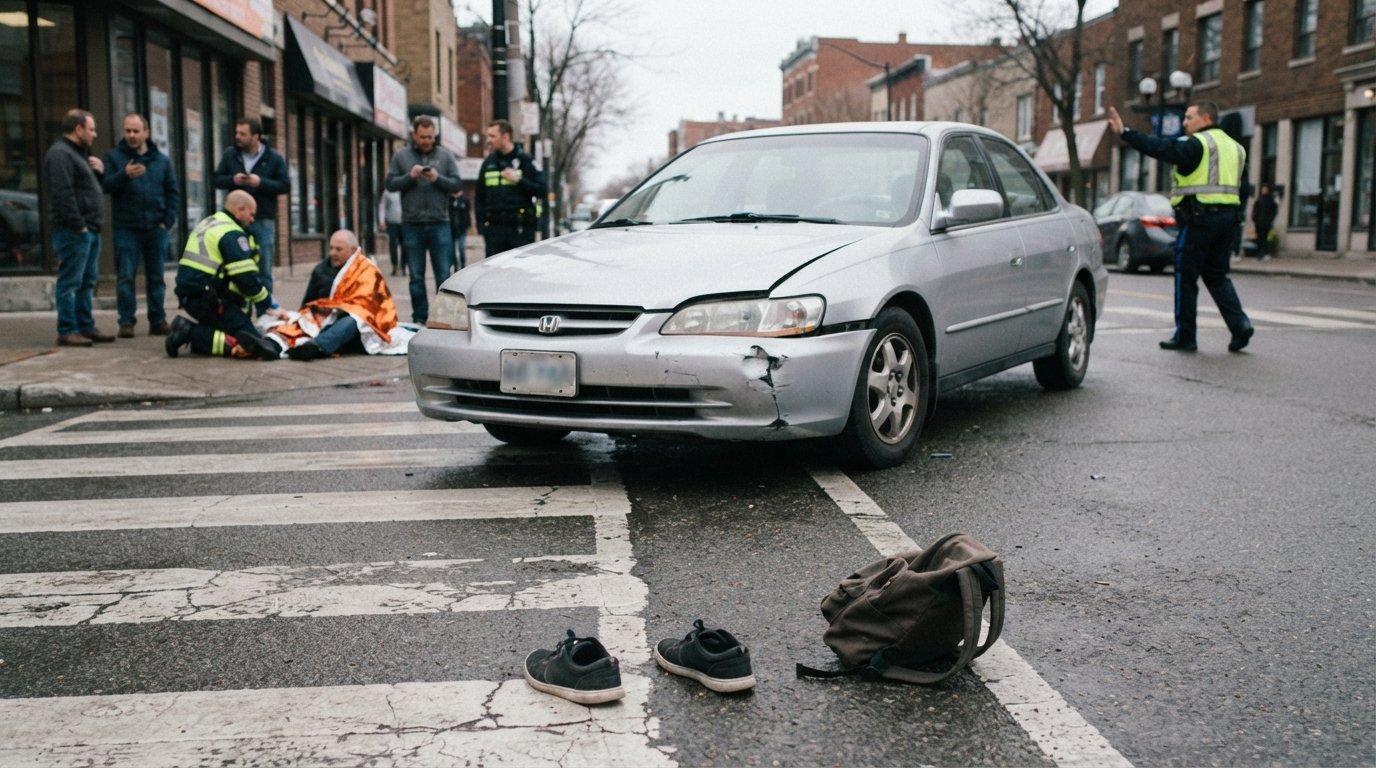
Pedestrian Hit by Car: Legal Rights and Compensation
Pedestrian hit by car legal rights and compensation explained: learn liability, damages, insurance, and how to get a free case review.

By Hannah Briggs
A pedestrian hit by a car is one of the most vulnerable positions anyone can be in on or near a roadway. Unlike a driver or passenger, you have no steel frame, no airbag, and no seatbelt to absorb the force of impact. The injuries that follow are often severe, and the legal path forward can feel just as overwhelming as the physical recovery.
If you or someone you love was struck by a vehicle, understanding your legal rights and how compensation works is the first step toward protecting yourself. This article walks through the key issues: who may be liable, what damages you can pursue, how insurance fits in, what deadlines apply, and how to find qualified legal help without committing to anything upfront.
Who Is Liable When a Pedestrian Is Hit by a Car?
Liability in a pedestrian accident is not automatic. It depends on who acted negligently. In most cases, the driver of the vehicle is the primary defendant, but there are situations where other parties share responsibility. For example, a city may be liable if a broken traffic signal or poorly designed crosswalk contributed to the crash. A vehicle manufacturer could be liable if a brake defect caused the driver to lose control. Even a bar or restaurant that overserved a driver could share fault under dram shop laws.
Driver negligence can take many forms. Distracted driving, speeding, failure to yield at a crosswalk, running a red light, and driving under the influence are all common causes. In some states, a driver who flees the scene (hit-and-run) can still be pursued through uninsured motorist coverage on your own auto policy or through other avenues.
It is important to note that fault rules vary by state. Some states follow pure comparative negligence, where you can recover damages even if you were partly at fault, but your award is reduced by your percentage of fault. Other states follow modified comparative negligence, which bars recovery if you were more than 50 percent at fault. A few states still follow contributory negligence, which can bar recovery entirely if you were even slightly at fault. Because these rules differ, the outcome of your claim depends heavily on where the accident happened.
Compensation You May Be Entitled To
Compensation in a pedestrian accident case generally falls into two broad categories: economic damages and non-economic damages. Economic damages are the tangible, documentable losses. Non-economic damages are the intangible but very real human costs of an injury.
Economic damages typically include:
- Past and future medical bills, including emergency care, surgeries, rehabilitation, and prescription medications
- Lost wages and lost earning capacity if you cannot return to your job or must work fewer hours
- Out-of-pocket expenses such as transportation to medical appointments, home modifications, or assistive devices
- Property damage, such as a phone, glasses, or clothing destroyed in the crash
Non-economic damages are harder to quantify but often represent the largest portion of a serious injury claim. These include pain and suffering, emotional distress, loss of enjoyment of life, scarring and disfigurement, and loss of consortium for a spouse. In cases involving extreme recklessness, such as a drunk driver, punitive damages may also be available, though these are less common and subject to specific legal standards.
If the pedestrian died from their injuries, surviving family members may be able to file a wrongful death claim. Wrongful death damages can include funeral and burial expenses, loss of financial support, loss of companionship, and in some cases, the pain and suffering the victim endured before passing.
How Insurance Works After a Pedestrian Accident
Insurance is often the most confusing part of a pedestrian claim. Many people assume that because they were not in a car, auto insurance does not apply. In reality, the driver's auto liability insurance is usually the first source of compensation. Most states require drivers to carry a minimum amount of liability coverage, and that coverage can pay for injuries the driver caused to a pedestrian.
Your own auto insurance may also come into play, even though you were on foot. If you have uninsured motorist (UM) or underinsured motorist (UIM) coverage, it can apply when the at-fault driver has no insurance or not enough to cover your losses. Personal injury protection (PIP) coverage, available in some states, may also pay for medical bills and lost wages regardless of who was at fault. Health insurance can cover treatment as well, but insurers often assert liens against a future settlement, meaning they may need to be repaid from your recovery.
Dealing with multiple insurers can be complicated. The at-fault driver's insurer may try to settle quickly for less than your claim is worth, or it may dispute liability altogether. Having an attorney who understands how these policies interact can make a significant difference in the final outcome.
Steps to Take After Being Hit by a Car
What you do in the hours, days, and weeks after a pedestrian accident can shape your legal rights. The following steps are practical and apply in most situations, though you should always prioritize your safety and medical care first.
- Get emergency medical attention. Even if you feel fine, some injuries, such as internal bleeding or concussions, do not show symptoms immediately. A medical record also creates a documented link between the crash and your injuries.
- Call the police and file a report. An official police report can serve as valuable evidence and often includes the driver's insurance information and witness statements.
- Collect information if you are able. Get the driver's name, contact details, license plate, and insurance carrier. Ask witnesses for their contact information as well.
- Document the scene and your injuries. Take photos of the intersection, crosswalk, traffic signals, your clothing, and any visible injuries. Keep a journal of your pain levels, medical appointments, and how the injury affects daily life.
- Avoid discussing fault with insurers. You are not required to give a recorded statement to the other driver's insurer. Anything you say can be used to reduce your claim.
These steps help build a record that supports your claim. They also protect you from common tactics insurers use to shift blame or minimize payouts. If you are unsure about any step, a legal professional can guide you through the process without pressure.
Common Defenses Insurers Raise in Pedestrian Cases
Insurance companies are businesses, and their goal is to pay as little as possible. In pedestrian cases, they often rely on a few predictable defenses. One is to argue that the pedestrian was jaywalking or crossing against a signal, which can reduce or eliminate liability depending on state law. Another is to claim the pedestrian darted out suddenly, giving the driver no time to react. A third is to dispute the severity of the injuries, suggesting they were pre-existing or not as serious as claimed.
These defenses can be countered with evidence. Surveillance footage, dashcam video, witness testimony, accident reconstruction, and medical records all help establish what really happened. An experienced attorney knows how to gather and present this evidence effectively.
Deadlines and Why They Matter
Every state has a statute of limitations for personal injury claims, and pedestrian accidents are no exception. In most states, the deadline falls between one and three years from the date of the accident, but some states allow as little as one year or as long as six. Missing the deadline usually means losing the right to sue, no matter how strong your case is.
There are exceptions that can shorten or extend the deadline. If the claim is against a government entity, such as a city or transit authority, you may need to file a notice of claim within a much shorter period, sometimes just a few months. If the victim was a minor or lacked mental capacity, different rules may apply. Because these rules vary so widely, it is wise to speak with a lawyer as soon as possible after the accident.
How to Find Legal Help Without Upfront Cost
Many people hesitate to contact a lawyer because they worry about cost. In personal injury cases, most attorneys work on a contingency fee basis, which means you pay nothing upfront and the attorney's fee comes out of any settlement or award. If there is no recovery, you generally owe nothing for the attorney's time. This model makes legal representation accessible even when you are already facing medical bills and lost income.
If you are not sure where to start, a consumer matching service such as LawyerOffer can connect you with attorneys who handle pedestrian accident cases in your area. These services are designed to be free and confidential, and they do not obligate you to hire anyone. Submitting a request simply opens the door to a conversation about your options.
When you speak with an attorney, ask about their experience with pedestrian cases, their familiarity with local courts and insurance practices, and how they communicate with clients. A good fit matters as much as credentials. You should never feel pressured to sign anything before you understand the process and feel comfortable with the person representing you.
What to Expect During a Pedestrian Accident Claim
Once you have legal representation, the process generally follows a predictable arc. The attorney investigates the accident, gathers evidence, and sends a demand letter to the insurer. Negotiations may follow, and if the insurer does not offer a fair amount, the case may proceed to litigation. Most pedestrian cases settle before trial, but having an attorney who is prepared to go to court can strengthen your negotiating position.
Throughout the process, keep in mind that no one can promise a specific outcome or dollar amount. Every case turns on its own facts, the applicable state law, and the strength of the evidence. What an attorney can do is protect your rights, manage the paperwork and deadlines, and advocate for the compensation you deserve.
If you were hit by a car while walking, you do not have to navigate the legal system alone. Understanding your rights is the first step. Taking action, whether by documenting what happened or by requesting a free case review, is the next. The sooner you act, the better positioned you are to protect your future.