
Pedestrian Struck in a Parking Lot: Your Legal Options
Pedestrian struck in a parking lot? Learn your legal options and call (855)-545-2917 for a free, confidential case review.

By Hannah Briggs
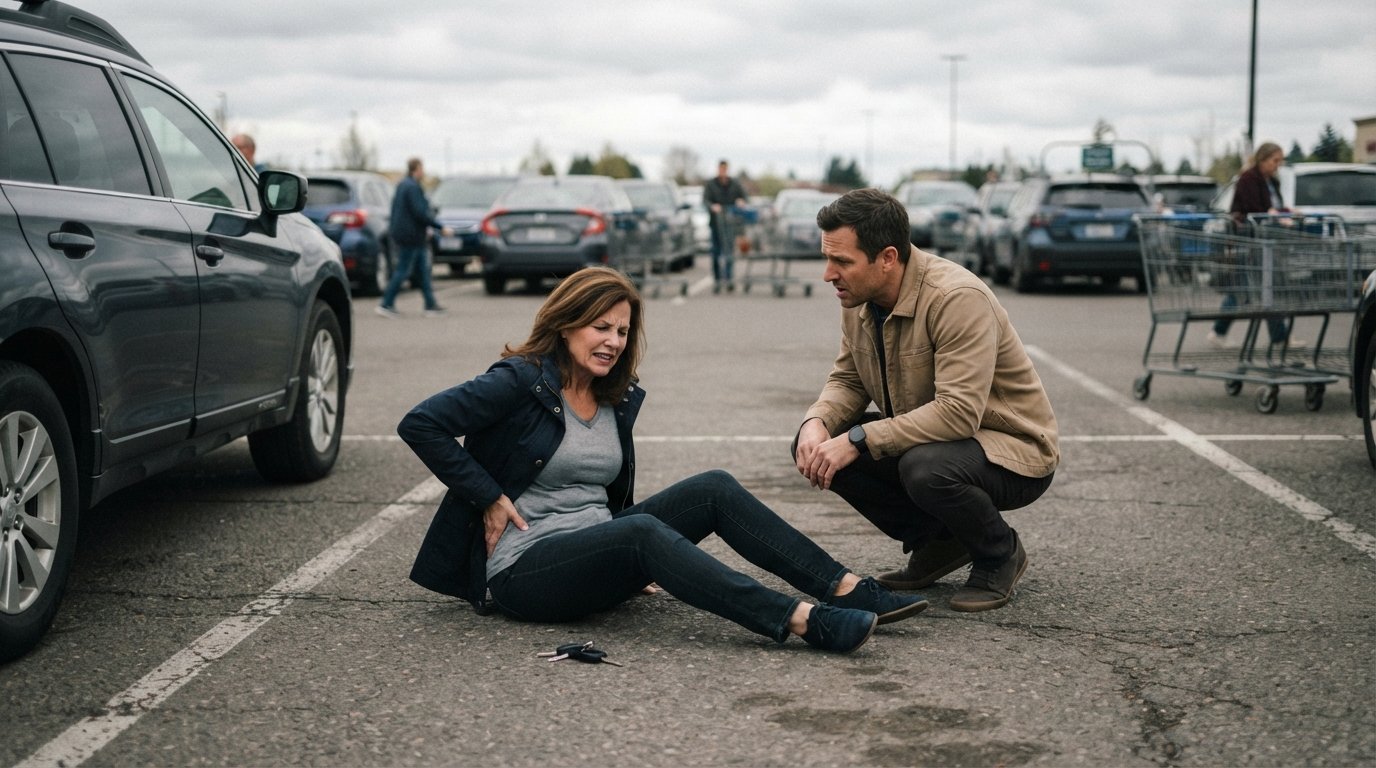
You step off the curb in a grocery store parking lot, keys in hand, and a reversing SUV catches your hip. The impact is slow, maybe five miles per hour, but your leg buckles and you hit the pavement. The driver is apologetic, the store manager offers ice, and everyone agrees it was a minor accident. Days later, the swelling does not go down and the x-ray reveals a fracture. Suddenly, the question of who pays for your medical care, lost wages, and pain becomes urgent. If you were struck by a vehicle in a parking lot, what are your legal options? The answer depends on a mix of driver responsibility, property owner duties, evidence preservation, and the fault rules of your state. This guide walks through the practical decisions you face after a low-speed pedestrian crash, how liability is argued, why evidence disappears fast, and how a free, confidential case review can help you identify the responsible parties without obligation.
Who Can Be Held Responsible in a Parking Lot Pedestrian Crash
Parking lots feel informal, but they are governed by traffic laws, private property rules, and general negligence principles. When a pedestrian is struck, the question of responsibility rarely points to a single party. In many cases, several parties share some degree of fault, and identifying all of them early matters for insurance claims and potential litigation.
The most obvious responsible party is the driver. Drivers in parking lots must yield to pedestrians in crosswalks and exercise reasonable care when backing out, turning into aisles, or navigating between parked cars. A driver who is speeding through an aisle, distracted by a phone, or failing to check mirrors before reversing may be negligent. In some states, specific vehicle code sections apply to parking lot driving, including rules about right-of-way and backing safely.
Less obvious is the property owner or manager. Parking lot owners have a duty to keep the premises reasonably safe. That duty can include proper signage, adequate lighting, clear crosswalks, well-maintained pavement, and safe traffic flow design. If a blind corner, overgrown landscaping, or a missing stop sign contributed to the crash, the property owner or manager may share liability. In cases involving garages, the operator may also bear responsibility for maintenance and security.
Shared fault is common in these cases. A pedestrian who darts out between cars, walks while looking at a phone, or ignores a marked crosswalk may be found partially responsible. Most states use some form of comparative fault, which reduces a plaintiff's recovery by their percentage of fault. A few states follow contributory negligence rules that can bar recovery entirely if the pedestrian is found even slightly at fault. Because these rules vary widely, the same facts can produce very different outcomes depending on where the crash occurred.
Why Low-Speed Impacts Still Cause Serious Injuries
Parking lot speeds are low, but the human body is not designed to absorb even a five-mile-per-hour impact from a two-ton vehicle. Pedestrians have no airbags, no seatbelts, and no metal frame. A slow-moving SUV can knock a person to the ground, where the pavement causes additional injuries. The result is often a compound problem: the direct impact plus the fall.
Common injuries from low-speed pedestrian strikes include fractures to the legs, hips, and wrists; ligament tears in the knees and ankles; traumatic brain injuries from striking the ground; and soft tissue damage to the neck and back. Older adults are especially vulnerable. A hip fracture from a low-speed bump can lead to surgery, extended rehabilitation, and permanent mobility changes. These injuries often develop gradually, which is why many people initially decline medical attention and later discover the extent of their harm.
Because symptoms can take hours or days to appear, prompt medical evaluation is both a health priority and a legal one. Insurance adjusters frequently argue that delayed treatment suggests the injury was not caused by the crash. A medical record created within a day or two of the incident creates a clear link between the collision and the injury, which strengthens any claim you may pursue.
Evidence That Disappears Quickly After a Parking Lot Crash
Parking lot crashes are among the most evidence-dependent cases in personal injury law. The scene changes constantly, and the proof you need can vanish within hours. Surveillance footage is the most valuable evidence, and it is also the most perishable. Many stores, garages, and nearby businesses overwrite their camera recordings on a seven-day, seventy-two-hour, or even twenty-four-hour loop. If you wait a week to ask for the video, it may already be gone.
Witnesses are equally transient. Shoppers who saw the crash get in their cars and leave. Employees who witnessed the incident may transfer or forget details. Identifying and contacting witnesses early, and asking them to provide a written statement or contact information, can preserve crucial testimony about speed, distraction, and positioning.
Physical evidence also fades. Skid marks wash away in the rain. Debris is swept up. The position of the vehicles changes as soon as someone moves them. If you are able, photograph the scene before anything is moved: the vehicle's position, the pedestrian's location, the lighting, signage, crosswalk markings, and any obstructions. Note the time, weather, and visibility conditions.
A prompt, confidential case review can help preserve this evidence. Attorneys who handle pedestrian cases understand spoliation rules and can send preservation letters to businesses and drivers before footage is deleted. The earlier that process starts, the better your chances of building a complete picture of what happened.
How Shared Fault Arguments Work and Why State Rules Matter
Insurance companies defending a driver or property owner will look for reasons to blame the pedestrian. Common arguments include that the pedestrian was jaywalking, was distracted by a phone, was wearing dark clothing at night, or stepped out from between parked cars where the driver could not see them. Even if these arguments do not eliminate liability, they can reduce the amount of compensation available.
State law determines how shared fault affects your claim. In pure comparative fault states, your recovery is reduced by your percentage of fault, but you can still recover even if you were mostly responsible. In modified comparative fault states, recovery is barred if your fault exceeds a certain threshold, often fifty or fifty-one percent. In the few contributory negligence states, any fault on your part can bar recovery entirely. Because these rules are not uniform, the same crash can lead to very different results in neighboring states.
Fault rules also interact with insurance. Drivers in parking lots are usually covered by their auto liability insurance, but property owners are covered by commercial general liability policies. In some cases, a homeowner's policy may apply if the driver was using a personal vehicle for personal errands. Understanding which policies apply, and how they respond to shared fault, is a key part of evaluating your options.
If you are unsure where to start, a no-cost case review can help you understand the fault rules in your state and how they might affect your claim. Submitting a request does not create an attorney-client relationship and does not obligate you to hire anyone. It simply connects you with participating attorneys who can explain your options in plain language.
Practical Steps to Protect Your Legal Options After a Parking Lot Strike
The actions you take in the first days after a parking lot pedestrian crash can shape the rest of your claim. The following steps are not legal advice, but they reflect the practical priorities that attorneys commonly recommend.
- Call 911 and file a report. Even in a private lot, a police report creates an official record of the incident, identifies the driver, and documents witness information. Some departments may decline to respond to private property crashes, but requesting a report is still worthwhile.
- Seek medical attention promptly. Tell the treating provider exactly how the injury occurred, including the low speed and the fall. Follow up on all recommended care and keep every record.
- Document the scene. Photograph the vehicle, the driver, the pedestrian's position, the lighting, signage, crosswalks, and any obstructions. Note the time and weather. Save any torn clothing or damaged personal items.
- Collect witness information. Ask anyone who saw the crash for their name, phone number, and a brief written account. Do this before they leave the lot.
- Request surveillance footage. Ask the store or garage manager in writing to preserve video from the relevant cameras. Do this immediately, because retention periods are short.
- Avoid recorded statements and quick settlements. Insurance adjusters may call within days and ask for a recorded statement. You are not required to give one. Consult with an attorney before discussing fault or accepting any payment.
These steps help preserve the evidence and records that support a claim. They also demonstrate that you took the incident seriously, which can counter arguments that your injuries were minor or unrelated.
For readers researching legal options more broadly, resources such as AttorneyLawsuit provide educational information about attorney-related disputes and consumer legal rights. That kind of background can be useful if questions arise about how attorneys handle cases, fee arrangements, or professional obligations.
When a Confidential Case Review Can Clarify Responsible Parties
Parking lot pedestrian cases often involve overlapping insurance policies, disputed facts, and multiple potential defendants. A driver may blame the property owner for poor lighting. The property owner may blame the driver for speeding. The pedestrian may be accused of inattention. Sorting through these arguments requires a careful review of the evidence and an understanding of state law.
A free, confidential case review is a low-pressure way to get that clarity. During the review, a participating attorney can help you identify potential responsible parties, explain the fault rules in your state, discuss insurance coverage issues, and outline the deadlines that may apply. Personal injury statutes of limitations vary by state, and missing a deadline can eliminate your right to recover, regardless of how strong the facts are.
It is important to understand what a case review is and is not. AutoInjuryAccident.com is not a law firm or a lawyer referral service, and it does not provide legal advice. The site connects injured people with participating attorneys who advertise on the platform. Submitting a request does not create an attorney-client relationship and does not require you to hire a lawyer. You remain free to evaluate your options and make your own decision about representation.
For many people, the most valuable outcome of a case review is simply understanding the landscape: who might be responsible, what evidence matters, and how state law shapes the claim. That knowledge can help you negotiate with insurers more effectively or decide whether formal representation makes sense for your situation.
Frequently Asked Questions About Parking Lot Pedestrian Claims
Does it matter that the crash happened on private property?
Private property does not eliminate legal responsibility. Drivers still owe a duty of reasonable care to pedestrians, and property owners owe a duty to keep the premises reasonably safe. The practical difference is that police may be less likely to respond, and evidence gathering may fall more heavily on the injured person and their attorney.
What if the driver left the scene?
A hit-and-run in a parking lot is still a hit-and-run. If the driver cannot be identified, uninsured motorist coverage on the pedestrian's own auto policy may apply in some circumstances, and the property owner's liability may become more significant if poor lighting or design contributed to the crash. An attorney can help sort through these possibilities.
How long do I have to act?
Deadlines vary by state and by the type of claim. Claims against private parties, claims against government entities, and insurance notice requirements may all have different timelines. Because these deadlines can be short, consulting with an attorney early is wise.
Can I recover if I was partially at fault?
In most states, yes, but your recovery may be reduced by your percentage of fault. In a few states, any fault can bar recovery. The specific rules in your state will determine how shared fault affects your claim.
Being struck by a vehicle in a parking lot can feel like a minor event until the injuries and bills arrive. The legal options available to you depend on the facts, the evidence, and the law of your state. Preserving video and witness information, seeking prompt medical care, and getting a clear explanation of fault rules are the first steps toward protecting your rights. A free, confidential case review can help you understand who may be responsible and what deadlines apply, without any obligation to hire a lawyer.