
Hit by a Drunk Driver? What to Do Right Now
Hit by a drunk driver? Learn the exact steps to take, from calling 911 to protecting your claim and pursuing compensation.

By Daniel Ortiz
A crash caused by an impaired driver turns an ordinary drive into a legal and medical emergency. In the minutes and days that follow, the choices you make can shape your medical recovery, your insurance claim, and your ability to recover compensation. This guide walks you through what to do if you were hit by a drunk driver, from the first 911 call to the moment you decide whether to hire an attorney. It also explains how a free, confidential case review can help you understand your options without pressure and without any obligation to hire anyone.
Step One: Secure the Scene and Call for Help
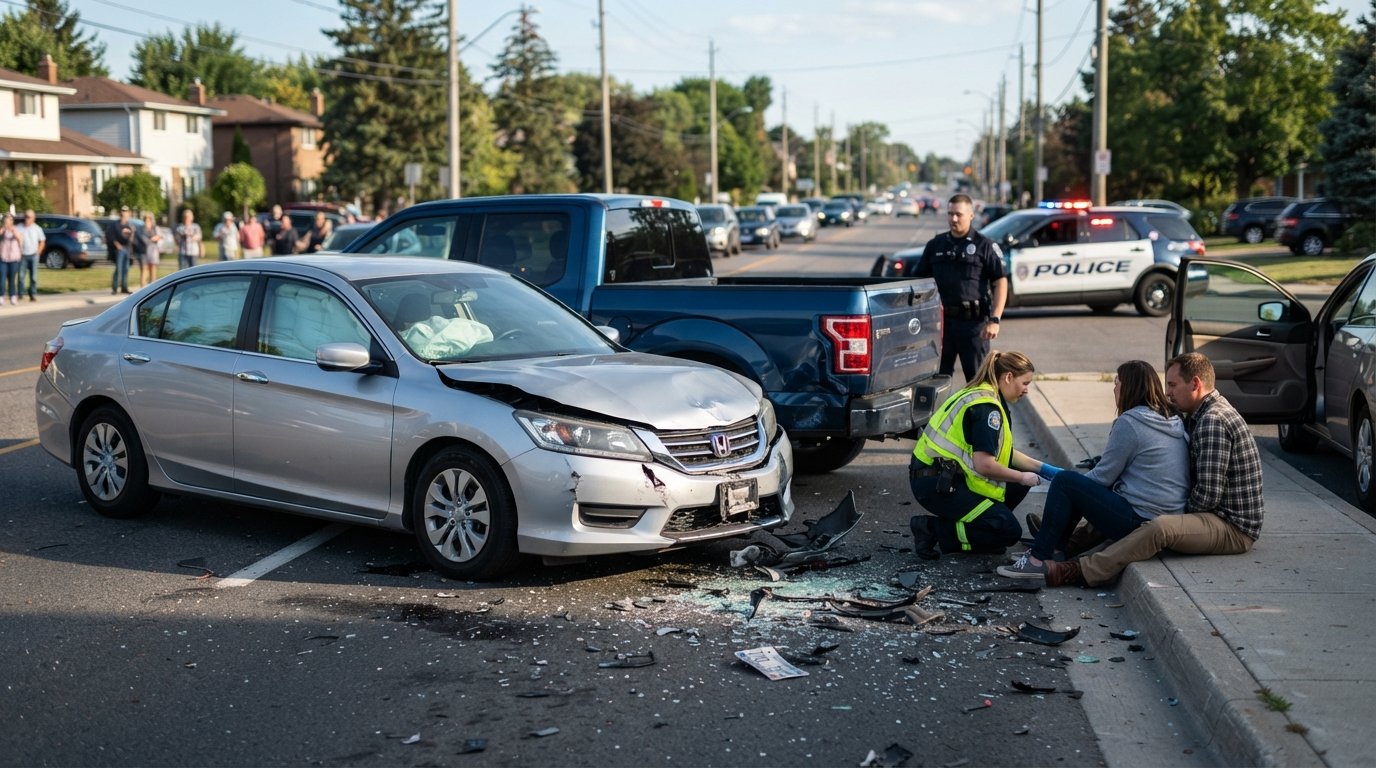
Your safety and the safety of everyone in your vehicle come first. If you can move without risking further injury, get yourself and any passengers to a safe location away from traffic. Turn on your hazard lights, set out warning triangles if you have them, and call 911 immediately. Tell the dispatcher that you believe the other driver is impaired. That single detail changes how law enforcement responds and how the crash is documented.
When officers arrive, they may administer field sobriety tests, request a breath or blood sample, and arrest the other driver. A police report that notes suspected impairment is one of the most valuable pieces of evidence in a drunk driving crash case. It creates an official record that the other driver was likely intoxicated, which can support both criminal charges and your civil claim for damages.
If you are seriously hurt, do not try to gather evidence or exchange information yourself. Stay still, wait for paramedics, and let first responders handle the scene. Anything you do to appear helpful could worsen an injury you cannot yet feel because of adrenaline.
Step Two: Get Medical Attention Even If You Feel Fine
Adrenaline masks pain. Many crash victims feel relatively normal for hours or even a day, then wake up with severe neck, back, or head pain. Internal bleeding, concussions, and soft tissue injuries do not always announce themselves right away. That is why you should accept an ambulance ride or visit an emergency room or urgent care clinic as soon as possible, even if you think you are okay.
Medical records do more than protect your health. They create a documented link between the crash and your injuries. Insurance adjusters often argue that delayed treatment means the injury was not serious or was not caused by the collision. A prompt exam closes that argument before it starts.
Keep every record: discharge papers, imaging results, prescriptions, and bills. If a doctor recommends follow-up care, physical therapy, or specialist visits, attend those appointments. Gaps in treatment give the other side room to dispute your claim.
Step Three: Document Everything You Can
If you are physically able, collect information at the scene and in the days that follow. This evidence can be difficult to reconstruct later, especially if the other driver's criminal case moves quickly or the insurance company disputes fault.
- The other driver's name, license plate, insurance card, and vehicle description
- The responding officer's name, badge number, and police report number
- Photos of all vehicles, skid marks, debris, traffic signals, and weather conditions
- Names and contact information for any witnesses
- Your own visible injuries, photographed from multiple angles over time
Save the clothing you were wearing, especially if it was cut off by paramedics. Do not repair your vehicle until an adjuster or your attorney has had a chance to inspect it. If the other driver is charged with DUI, the criminal case file may contain blood alcohol test results, dashcam footage, and witness statements that can strengthen your civil claim.
Write down your own account of what happened while your memory is fresh. Note the time of day, the direction you were traveling, what you saw and heard, and anything the other driver said. Small details, like the smell of alcohol or slurred speech, can matter later.
Step Four: Be Careful With Insurance Companies
Within days of the crash, you may receive calls from the other driver's insurance company. The adjuster may sound sympathetic and offer a quick settlement. Do not accept it. Early offers are almost always far below what your claim is worth, and once you sign a release, you cannot go back for more even if your injuries turn out to be worse than expected.
You are required to report the crash to your own insurer, but you are not required to give a recorded statement to the other driver's insurer. You can politely decline and say you will provide information through your attorney. If you do speak with any adjuster, stick to basic facts: where and when the crash happened, who was involved, and that you are still receiving medical care.
Keep in mind that fault rules, insurance requirements, and filing deadlines vary by state. Some states follow pure comparative negligence, others modified comparative negligence, and a few still use contributory negligence. These rules affect how much you can recover if you share any responsibility for the crash. An attorney licensed in your state can explain how your state's rules apply to your situation.
Step Five: Understand Your Legal Options
A drunk driving crash can lead to two separate legal tracks. The criminal case is brought by the government against the impaired driver. The civil case is brought by you against the driver (and sometimes others) to recover money for your injuries, lost wages, pain and suffering, and other damages. A conviction in the criminal case does not automatically pay your bills, and a not-guilty verdict does not automatically defeat your civil claim. The standards of proof are different.
In some situations, more than one party may share liability. Dram shop laws in many states allow a claim against a bar, restaurant, or social host that served alcohol to a visibly intoxicated person who then caused a crash. If the impaired driver was working at the time, the employer may also be responsible. An experienced attorney can investigate these angles and identify all available sources of compensation.
If you were also a pedestrian or riding a bike when you were struck, the legal issues can be more complex. In our guide on pedestrian hit by car legal rights and compensation, we explain how fault, insurance, and injury claims work when a vehicle strikes someone on foot. The same principles often apply when an impaired driver hits a pedestrian, and an attorney can help you pursue the right claim.
Step Six: Consider a Free Case Review Before Deadlines Pass
Every state sets a statute of limitations for personal injury claims, and the clock starts on the date of the crash. In many states that window is two or three years, but some are shorter, and certain claims against government entities may require notice within months. Missing the deadline usually means losing the right to recover anything at all.
A free, confidential case review is a low-risk way to learn where you stand. You share what happened, an attorney or intake team evaluates the facts, and you decide whether to move forward. There is no cost to ask, no obligation to hire, and no attorney-client relationship created just by submitting a form.
If you are not sure where to start, a resource like TheLawyerDirectory can help you find attorneys in your city who handle drunk driving crash cases. You can request a quote, ask questions, and compare options before making any commitment. The goal is simply to get accurate information so you can make a decision that protects your health and your finances.
When you speak with an attorney, bring your police report, medical records, photos, and any correspondence from insurers. Ask about contingency fees, which means you pay nothing upfront and the attorney takes a percentage of any recovery. Ask who will handle your case day to day and how often you will receive updates. A good attorney will answer these questions clearly and without pressure.
What Not to Do After a Drunk Driving Crash
Just as important as the steps you take are the mistakes you avoid. These missteps can undermine an otherwise strong claim.
- Do not post about the crash on social media. Adjusters and defense attorneys look for statements that can be used to minimize your injuries or shift blame.
- Do not accept a quick settlement before you know the full extent of your injuries. Some conditions, like traumatic brain injuries, take months to fully diagnose.
- Do not skip medical appointments or ignore recommended treatment. Insurance companies treat gaps in care as evidence that you were not seriously hurt.
- Do not discuss the crash with the other driver's insurer beyond basic identifying information.
- Do not assume the criminal case will take care of your bills. Restitution in criminal court is often limited and rarely covers the full cost of a serious injury.
If you have already made one of these mistakes, do not panic. An attorney can often work around early missteps, especially if you act quickly. The sooner you get legal guidance, the more options remain available.
How a Drunk Driving Crash Claim Comes Together
Most drunk driving injury claims follow a similar arc. First, the attorney investigates: gathering the police report, the criminal case file, medical records, witness statements, and any available video. Next, the attorney sends a demand package to the insurance company, explaining the facts, the law, and the damages. The insurer may respond with a settlement offer, a denial, or a request for more information. If negotiations stall, the attorney may file a lawsuit and proceed toward trial.
Damages in these cases can include medical expenses (past and future), lost income and earning capacity, property damage, pain and suffering, emotional distress, and in some cases punitive damages. Punitive damages are designed to punish especially reckless conduct, and driving drunk often qualifies. Not every state allows punitive damages in these cases, and caps may apply, so local law matters.
Timelines vary widely. A straightforward claim with clear liability and moderate injuries might resolve in a few months. A disputed claim involving serious injuries, multiple parties, or a lawsuit could take a year or more. Your attorney should give you a realistic sense of the pace and keep you informed at each stage.
Protecting Your Rights Starts With One Call
Being hit by a drunk driver is not your fault, but the aftermath is yours to manage. Call 911, get medical care, document what you can, and avoid quick settlements. Then talk to an attorney who handles these cases in your state. A free, confidential case review costs nothing and carries no obligation to hire. It simply gives you the information you need to decide what comes next. The sooner you act, the better your chances of protecting your health, your finances, and your legal rights.