
Hit by an Uninsured Driver: What Are My Options?
Hit by an uninsured driver? Learn how UM coverage, MedPay, and direct lawsuits can help you recover medical bills and lost wages.

By Marcus Hale
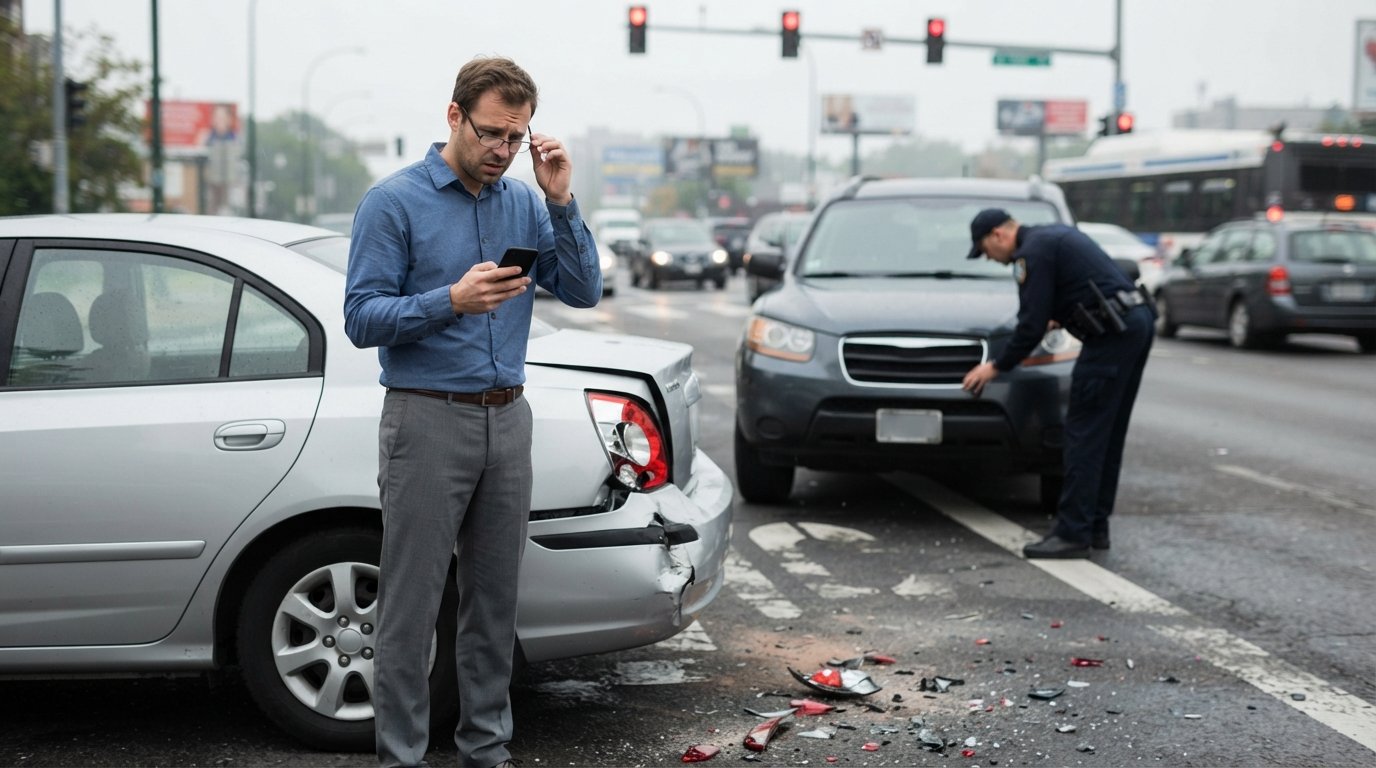
You are sitting at a red light when the impact hits. Your neck snaps forward, your car lurches into the intersection, and your hands are shaking. When the police arrive, you learn the devastating news: the other driver has no insurance. That single fact changes everything about how you recover, who pays your medical bills, and how long the process takes. If you are asking, "Hit by an uninsured driver, what are my options?" you are not alone. Roughly one in seven U.S. drivers operates without insurance, according to industry estimates, and thousands of injured people face this exact situation every year.
The good news is that you have more options than you might think. The bad news is that each option has deadlines, conditions, and potential pitfalls. The faster you understand your path, the better your chance of protecting your health and your finances. This guide walks through every realistic recovery route, explains how uninsured motorist coverage works, and shows you how to start building your case today.
How Uninsured Motorist Coverage Works
Uninsured motorist coverage, often abbreviated as UM, is the safety net built into most auto policies. When the at-fault driver has no liability insurance, your own UM coverage steps in to pay for injuries and, in some states, property damage. Underinsured motorist coverage, or UIM, works the same way but applies when the other driver has some insurance that is not enough to cover your losses.
UM coverage typically pays for medical expenses, lost wages, pain and suffering, and other damages that the uninsured driver would have owed you. The critical detail is that UM is usually triggered only when the other driver is identified and proven to be at fault. If you are the victim of a hit-and-run, some policies treat that as an uninsured motorist claim as well, but you must report the accident to police within a specific window, often 24 to 72 hours.
Here is what a typical UM claim covers:
- Medical bills, including emergency care, surgery, rehabilitation, and future treatment
- Lost income if you miss work during recovery
- Pain and suffering, emotional distress, and loss of enjoyment of life
- Funeral expenses in wrongful death cases
- Property damage in states that allow UM to cover vehicle repairs
The limits on your UM policy matter enormously. If you carry $25,000 in UM coverage and your medical bills reach $80,000, you cannot collect more than your policy limit from that source. This is why many personal injury attorneys recommend buying UM coverage at the same level as your liability coverage, or higher. If you were hit by a drunk driver, a situation where punitive damages and aggressive litigation are more common, the stakes rise even higher, and our guide on what to do after a drunk driver crash explains the additional steps involved.
Filing a Claim Against the Uninsured Driver Directly
You always have the legal right to sue the at-fault driver personally. The challenge is not winning the case; it is collecting the judgment. Many uninsured drivers have few assets, no savings, and no steady income that can be garnished. A paper judgment against someone with nothing is worth very little, which is why most attorneys evaluate the defendant's collectability before filing suit.
That said, direct lawsuits make sense in certain scenarios. If the uninsured driver owns property, runs a business, or has a well-paying job, a personal injury lawsuit can produce a real recovery. In some states, you can garnish wages or place a lien on real estate. An attorney can run an asset check before you commit to litigation, which prevents you from spending months in court only to discover the defendant is judgment-proof.
Filing a lawsuit also has a strategic purpose. If the uninsured driver was working at the time of the crash, his or her employer may be vicariously liable. If the driver was operating a commercial vehicle, the trucking company's insurance may respond even though the driver had no personal policy. These layers of liability are why a thorough investigation matters before you decide which path to pursue.
Using Health Insurance and Medical Payments Coverage
Your health insurance is often the fastest way to get medical treatment after a crash with an uninsured driver. Hospitals and doctors bill your health plan, you pay your deductible and co-pays, and treatment begins immediately. The downside is that your health insurer may later assert a right of reimbursement, known as subrogation, if you recover money from another source.
Medical payments coverage, or MedPay, is a separate optional coverage on many auto policies. MedPay pays medical bills for you and your passengers regardless of who caused the accident, and it does not require you to prove fault. Limits are usually modest, ranging from $1,000 to $10,000, but MedPay can bridge the gap while a UM claim is pending. Unlike health insurance, MedPay typically does not seek reimbursement from your settlement, which makes it especially valuable.
Personal injury protection, or PIP, serves a similar function in no-fault states. PIP covers medical expenses, lost wages, and sometimes essential services like childcare, regardless of fault. If you live in a no-fault state, PIP is usually the first payer, and your UM claim covers what PIP does not.
Steps to Take Immediately After the Crash
What you do in the first 48 hours shapes every option that follows. Evidence disappears, witnesses move, and insurance companies build defenses quickly. Treat these steps as a checklist, not a suggestion.
- Call 911 and request a police report. The report documents the other driver's lack of insurance, which becomes the foundation of your UM claim.
- Photograph everything: vehicle damage, skid marks, traffic signals, your visible injuries, and the other driver's license plate.
- Collect contact information from witnesses before they leave the scene.
- Seek medical attention the same day, even if you feel fine. Adrenaline masks symptoms, and delayed treatment weakens your claim.
- Notify your own insurance company promptly. Most policies require notice within a reasonable time, and some set hard deadlines.
- Do not give a recorded statement to the other driver's insurer, and be cautious with your own insurer until you understand your coverage.
Once these steps are complete, request a copy of your policy and read the UM/UIM sections carefully. The declarations page shows your limits. If you cannot find the policy, your insurer must provide it on request. Understanding your own coverage before speaking with adjusters gives you leverage in every conversation that follows.
Negotiating With Your Own Insurer
Many people assume their own insurer will treat them fairly. Sometimes that happens, but UM claims are still adversarial negotiations. The adjuster's job is to minimize payout, and uninsured motorist claims often involve disputed liability, disputed injury severity, or both. You should expect the first offer to be low.
Building a strong UM claim requires documentation: medical records, bills, wage loss verification, and a clear narrative connecting your injuries to the crash. An experienced attorney can gather these records, hire experts if needed, and present a demand package that reflects the full value of your case. Without that structure, adjusters often discount claims for soft-tissue injuries or pre-existing conditions.
If negotiations stall, your policy may include an arbitration clause. Arbitration is a private dispute resolution process where a neutral decision-maker hears both sides and issues a binding decision. It is faster and less formal than a lawsuit, but you give up the right to a jury trial. An attorney can advise whether arbitration or litigation serves your interests better.
When to Hire an Attorney for an Uninsured Driver Claim
Not every uninsured driver case requires a lawyer, but several factors tilt the scales toward professional representation. Serious injuries, disputed fault, low policy limits, and insurers who deny claims outright are all signals that you need help. An attorney can also identify additional defendants, such as employers or vehicle owners, that you might overlook.
If you want to explore your options without obligation, a free case review through a service like AttorneyDirectory.Lawyer can connect you with attorneys who handle uninsured motorist claims in your area. Submitting a request does not create an attorney-client relationship and does not require you to hire anyone. It simply opens a conversation about whether legal representation makes sense for your situation.
Timing matters here as well. Personal injury statutes of limitations vary by state, ranging from one to six years, and UM claims sometimes have shorter contractual deadlines. Missing a deadline can eliminate your right to recover entirely, no matter how strong your case would have been.
Common Mistakes That Hurt Uninsured Driver Claims
Even sympathetic victims can damage their own cases through small missteps. The most common mistake is delaying medical treatment. Insurers argue that a gap between the crash and the first doctor visit means the injury was not serious, or was not caused by the accident at all.
Another frequent error is posting about the accident on social media. Defense adjusters review public profiles for photos of you hiking, lifting, or traveling, and they use those images to dispute your pain and suffering. Privacy settings help, but the safest approach is to stay off social media until your claim resolves.
A third mistake involves accepting a quick settlement. Once you sign a release, you cannot reopen the claim, even if new injuries surface or your condition worsens. Before signing anything, have an attorney review the offer and confirm that it accounts for future medical needs and lost earning capacity.
Protecting Yourself Before the Next Crash
The best time to address uninsured motorist risk is before an accident happens. Review your policy today and confirm your UM and UIM limits. If they are at the state minimum, consider raising them. The cost is usually modest, and the protection can be the difference between financial recovery and financial ruin.
Also consider adding MedPay, collision coverage, and rental reimbursement. Each fills a specific gap that UM coverage may not address. If you are ever hit by an uninsured driver, you will be grateful you planned ahead, and you will have far more control over your recovery.
Finally, remember that you are not powerless after a crash with an uninsured driver. Between your own UM coverage, MedPay, health insurance, direct lawsuits, and the possibility of additional liable parties, there is usually more than one path forward. Document everything, act quickly, and get a clear picture of your rights before you accept any offer.