
What to Expect at a DUI Arraignment First Court Date
Facing a DUI arraignment? Know the formal reading, plea options, and bail basics before you go. Call (855)-545-2917 for a free case review.

By Owen Ingram
Your first court date after a DUI arrest can feel like walking into a storm without a map. The flashing lights are gone, the paperwork is in hand, and now you face a courtroom you may never have seen before. Knowing what happens at this hearing, formally called an arraignment, replaces fear with preparation. This guide explains exactly what to expect at a DUI arraignment first court date, from the moment your name is called to the conditions you may walk out with. The process varies by state and county, but the core structure is remarkably consistent. Read on to understand the formal reading, your plea options, attorney representation, courtroom behavior, and release terms, so you can step into that room with steady feet.
The Arraignment Defined: Purpose and Timing
An arraignment is the first formal court appearance after a DUI charge. Its primary purpose is to inform you of the charges against you and to give you a chance to enter a plea. The hearing is typically brief, often lasting only a few minutes, but it sets the legal machinery in motion. Depending on your jurisdiction, the arraignment may occur within 24 to 72 hours of arrest if you were held in custody, or it may be scheduled weeks later if you were released on a citation or bail.
This is not a trial. No evidence is presented, and no witnesses testify. The judge will not decide guilt or innocence at this stage. Instead, the court ensures you understand the charges, confirms your identity, and addresses two immediate concerns: your release status and your right to counsel. Many people mistakenly believe the arraignment is where they can explain their side of the story. That explanation belongs later, with your attorney's guidance. At this hearing, listening carefully and speaking only when necessary is the safest approach.
The arraignment also triggers deadlines. Once you are formally charged, the clock starts ticking on pretrial motions, discovery requests, and plea negotiations. Missing these deadlines can waive important rights. For a broader look at how the first offense process unfolds, see our guide on first offense DUI: what to expect in court. That overview complements the specific arraignment details covered here.
What Is Formally Read at a DUI Arraignment
When your case is called, the judge or magistrate will read the formal charges against you. This is not a casual summary; it is a direct reading of the criminal complaint or information. For a DUI, the reading typically includes the statute you are accused of violating, the date and location of the alleged offense, and any aggravating factors such as a high blood alcohol concentration, refusal to submit to testing, or a prior conviction.
You will also hear the potential penalties. These can include jail time, fines, license suspension, mandatory education programs, and ignition interlock requirements. The judge may ask if you understand the charges and the maximum possible punishment. It is entirely acceptable to say you do not fully understand and to request clarification. The court will then ask whether you have retained an attorney or need one appointed. If you cannot afford counsel, you may be asked to complete a financial affidavit to determine eligibility for a public defender.
In some jurisdictions, the reading is waived if your attorney is present and you have received a copy of the charging document. However, do not assume waiver. The judge will confirm that you have seen the charges and that you understand them. This formal reading is your constitutional right, and it exists to prevent surprises. Pay close attention, take notes if permitted, and ask for a copy of the charging documents if you do not receive one.
Entering a Plea: Options and Consequences
After the charges are read, the judge will ask for your plea. You generally have three options: guilty, not guilty, or no contest (also called nolo contendere). Each carries different implications, and the choice at arraignment is rarely final for a DUI case.
A guilty plea at arraignment is almost never advisable without first consulting an attorney. Pleading guilty waives your right to trial, to confront witnesses, and to challenge evidence such as breath or blood test results. It also typically leads to immediate sentencing, which may include jail time or license suspension. Once entered, a guilty plea is difficult to withdraw.
A not guilty plea is the most common choice at arraignment. It does not mean you are claiming innocence in a moral sense; it simply preserves your rights and allows the case to proceed to pretrial motions and possibly trial. Entering a not guilty plea at this stage keeps all options open, including negotiating a reduced charge or dismissal later. Many judges expect a not guilty plea at arraignment because the defense has not yet received discovery.
A no contest plea is similar to a guilty plea for sentencing purposes but may have different civil implications. In some states, a no contest plea cannot be used against you in a related civil lawsuit. However, for a DUI, the practical difference is often minimal, and the same warnings about waiving rights apply. The table below summarizes the three pleas and their immediate effects.
- Guilty: Admits the charge, waives trial rights, often leads to immediate sentencing, and is very difficult to withdraw.
- Not guilty: Preserves all rights, sets the case for pretrial motions and possible trial, and is the standard choice at arraignment.
- No contest: Accepts punishment without formal admission, may limit civil use of the plea, but still results in a conviction and similar penalties.
If you are unsure which plea to enter, you can request a short continuance to consult with an attorney. Judges often grant a brief postponement for this purpose, especially if you are unrepresented. Do not let anyone pressure you into a plea on the spot. The arraignment is a starting point, not the finish line.
Can a Lawyer Appear on Your Behalf?
In many jurisdictions, a lawyer can appear on your behalf at a DUI arraignment, meaning you may not need to be physically present. This is especially common for misdemeanor DUI charges where the defendant has been released on bail or citation. The attorney can enter a not guilty plea, waive the formal reading, and set future court dates. However, some judges require the defendant to appear personally for the initial arraignment, particularly if there are aggravating factors or if the defendant is in custody.
If you have hired an attorney, ask whether your presence is required. If you have not hired one, you can still appear and request a continuance to retain counsel. You may also ask the court to appoint a public defender if you qualify financially. Having an attorney at the arraignment is valuable because they can immediately address bail conditions, request discovery, and protect your rights from the first moment. Without counsel, you are navigating a complex system alone, and prosecutors are under no obligation to explain options that benefit you.
For those who need help finding representation, a free legal help and attorney-matching service like GoFreeLegal can connect you with participating attorneys who handle DUI cases. Such services typically offer a confidential intake process at no cost and do not create an attorney-client relationship until you hire someone. This can be a practical first step if you are unsure where to turn before your court date.
Courtroom Expectations: Dress, Behavior, and Procedure
Arrive at the courthouse at least 30 minutes early. You will pass through security, so avoid bringing prohibited items such as weapons, sharp objects, or large bags. Dress in clean, modest clothing that shows respect for the court. Business casual is appropriate: slacks or dark jeans with a collared shirt, a dress or skirt of reasonable length, and closed-toe shoes. Avoid hats, sunglasses, graphic t-shirts, and anything that could be seen as flippant.
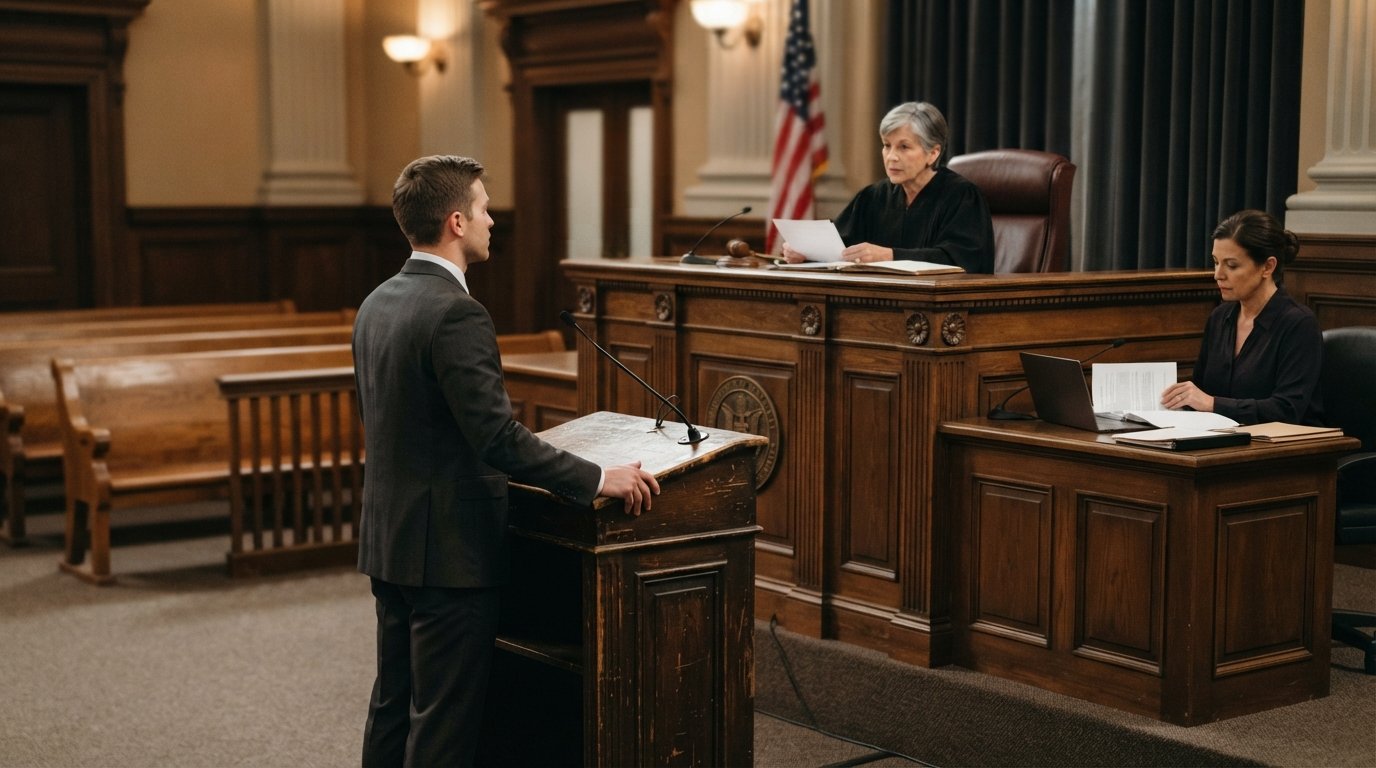
When your case is called, stand and approach the podium or defense table as directed. Speak only to the judge, not to the prosecutor or anyone else in the gallery. Use formal language: "Your Honor" for the judge, "sir" or "ma'am" for others. Do not interrupt. If you do not understand a question, say so politely. Keep your hands visible and avoid sudden movements. Turn off your phone before entering the courtroom. These basic behaviors signal that you take the proceedings seriously, which can influence how the judge exercises discretion on bail and release conditions.
Bring all relevant paperwork: the citation or arrest report, any release documents, proof of insurance, and identification. If you have completed any court-ordered programs or assessments, bring proof. The judge may ask about your employment, ties to the community, and prior criminal record when setting bail. Having documentation ready can speed the process and present you as organized and responsible.
Bail, Release Conditions, and Pretrial Restrictions
At the arraignment, the judge will address your release status. If you were arrested and booked, you may already have been released on bail or on your own recognizance. If you are still in custody, the judge will set bail or release conditions. Bail is not a punishment; it is a promise to appear at future court dates, often secured by money or property. The judge considers the seriousness of the charge, your criminal history, your ties to the community, and the risk of flight.
For DUI cases, the judge may impose specific conditions beyond standard bail. These can include:
- Abstaining from alcohol and illegal drugs, sometimes verified by random testing.
- Installing an ignition interlock device on any vehicle you drive.
- Surrendering your driver's license or agreeing not to drive.
- Attending a DUI education or treatment program.
- Reporting to a pretrial services officer by phone or in person.
Violating these conditions can result in additional charges, revocation of bail, or immediate jail time. Read every document you sign and ask questions if a condition is unclear. If you cannot afford bail, you may request a reduction or a release on your own recognizance. The judge has discretion, and your attorney can argue for the least restrictive conditions that still ensure public safety.
Release conditions are not permanent. They can be modified later by motion, especially if you complete required programs or if circumstances change. However, do not assume modification is automatic. Follow every condition exactly, keep all court dates, and communicate with your attorney about any difficulties.
Preparing for Your First Court Date: A Step-by-Step Approach
Preparation reduces anxiety and improves outcomes. Start by confirming the date, time, and location of your arraignment. Courts sometimes change schedules, so call the clerk or check the court's website the day before. Arrange transportation in advance; if you cannot drive because of a suspended license, ask a friend or family member for a ride, or use public transit. Arriving late can result in a bench warrant, which creates new legal problems.
Next, gather your documents and write down any questions you want to ask the judge or your attorney. If you are representing yourself, you can bring a written list to the podium, though you should ask permission before reading from it. Practice saying your name clearly and answering basic questions about your address and employment. If you have hired an attorney, meet beforehand to review the charges and the plea strategy.
On the day of court, follow this sequence:
- Check in with the clerk or bailiff when you arrive and confirm your case is on the docket.
- Sit quietly in the gallery until your name is called; do not chat with other defendants about your case.
- Stand when your case is called and approach the designated area.
- Listen to the charges and the judge's questions, and respond clearly and honestly.
- Enter your plea as advised by your attorney, or request a continuance if you are unrepresented.
- Receive any release documents and court dates, and confirm you understand them before leaving.
After the hearing, write down what happened while it is fresh. Note the next court date, any conditions imposed, and the name of the judge. If you were appointed counsel, ask how to contact them. If you hired an attorney, schedule a follow-up meeting to discuss discovery and strategy. The arraignment is the first step in a longer process, and staying organized from the beginning makes each subsequent step easier.
Common Mistakes to Avoid at Arraignment
The most common mistake is treating the arraignment as an opportunity to tell your side of the story. The judge is not there to decide the facts. Interrupting or arguing can annoy the court and may be used against you later. Another mistake is pleading guilty without understanding the consequences. Even if you believe you are guilty, an attorney may be able to negotiate a reduced charge, diversion program, or dismissal based on procedural errors or insufficient evidence.
Failing to appear is a serious mistake. If you miss your arraignment, the judge may issue a bench warrant for your arrest and add new charges for failure to appear. If you cannot attend due to an emergency, contact the court immediately and request a postponement. Do not simply skip the date and hope for the best. Also, avoid discussing your case with anyone other than your attorney. Prosecutors, police, and even other defendants in the hallway may try to elicit information. You have the right to remain silent, and you should exercise it.
Finally, do not assume that because the arraignment is short, it is unimportant. The decisions made at this hearing, especially regarding bail and release conditions, can affect your employment, family life, and ability to prepare a defense. Treat it with the same seriousness you would a trial. Preparation and professional guidance are your best tools.
If you are facing a DUI charge and want to understand your options before the first court date, consider requesting a free, confidential case review through a service like AutoInjuryAccident.com. The site is not a law firm and does not provide legal advice, but it can connect you with participating attorneys who handle DUI defense. Submitting a request does not create an attorney-client relationship and does not obligate you to hire anyone. It is simply a way to gather information and decide your next steps with less uncertainty.
Facing a DUI arraignment is a serious moment, but it is manageable when you know what to expect. The hearing is designed to inform you of the charges, protect your rights, and set the conditions for your release. By understanding the formal reading, choosing your plea wisely, securing representation if possible, behaving respectfully in court, and complying with release conditions, you can navigate this first appearance with confidence. The road ahead may be long, but the first step is now clearer.