
Out of State Driver Hit Me: Can I File a Claim in My State?
If an out-of-state driver hit you, filing a claim in your state is often possible. Call (855)-545-2917 to review your options with a local attorney and protect your deadline.

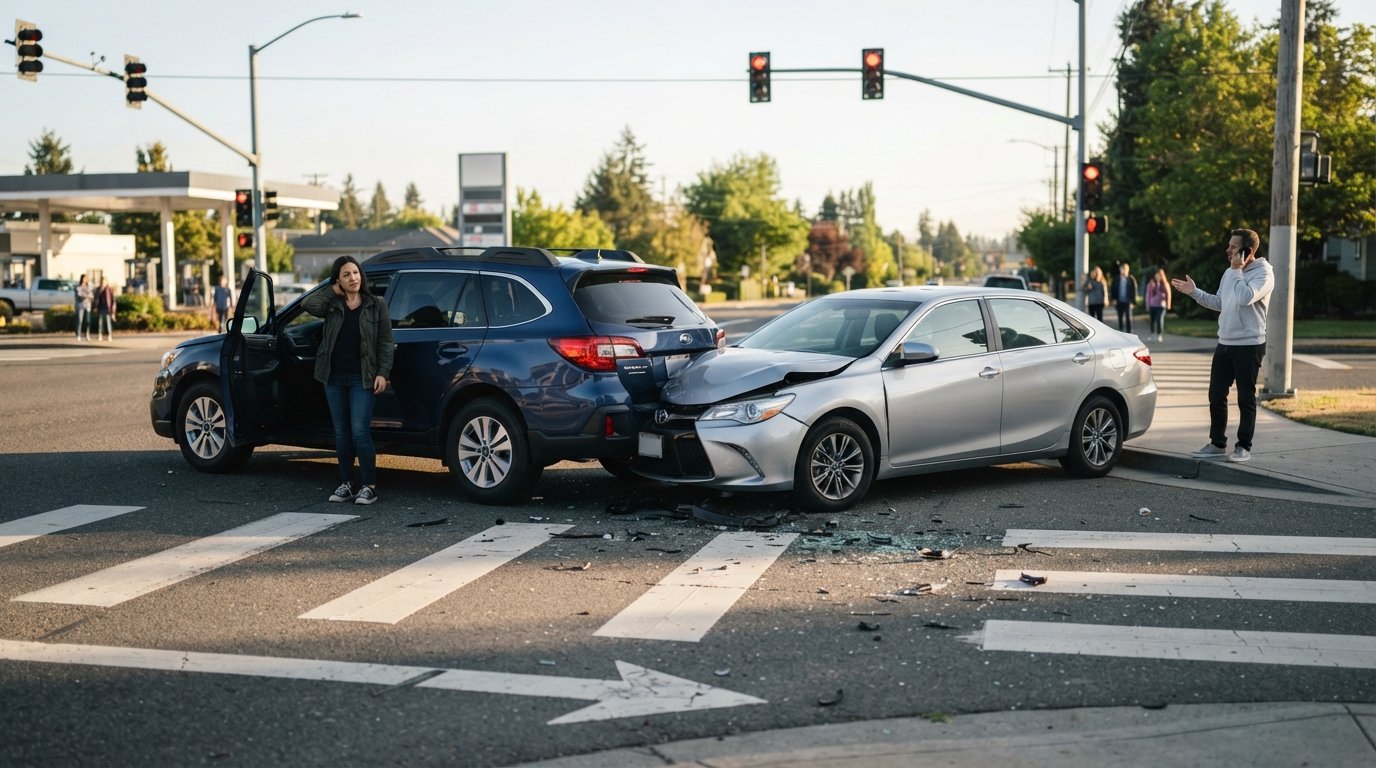
You are sitting at a red light when a car with plates from three states away slams into your rear bumper. Your neck is stiff, your car is crumpled, and the other driver is already on the phone with someone. In the chaos that follows, one question keeps circling in your mind: since the person who hit me lives somewhere else, can I even file a claim in my own state? The short answer is yes, in most situations you can pursue a claim close to home, but the details are more layered than a simple yes or no. The state where the crash happened, the state where the other driver lives, and the state where you live all interact in ways that affect your insurance claim, your lawsuit, and your deadlines. This guide walks you through those interactions step by step so you can make informed decisions without feeling like you need a law degree to understand your own case.
Which State's Rules Govern Your Claim?
The first thing to understand is that more than one state's laws can touch your situation. The location of the collision usually determines the core rules for fault and insurance. If the crash happened in your home state, then your state's fault system, insurance requirements, and traffic laws typically apply to the accident itself. That means if you live in a traditional fault state, you would generally file a claim with the at-fault driver's insurance company, and that insurer must follow the liability rules of the state where the crash occurred. If you live in a no-fault state, your own personal injury protection coverage may pay your medical bills first, regardless of where the other driver is from.
However, the other driver's home state can still influence certain pieces of the puzzle. For example, the minimum insurance limits that driver was required to carry come from their home state, and those limits may be lower than what your state requires. Some states also have different rules about uninsured motorist coverage, rental reimbursement, and how long you have to file a lawsuit. The key takeaway is that the crash location generally sets the stage, but the other driver's residency can affect the resources available to pay your claim. A local attorney who understands both your state's rules and how to deal with out-of-state insurers is often the best person to sort through these overlapping issues.
One practical example: suppose you are rear-ended in State A by a driver from State B. State A follows a modified comparative fault rule, meaning your recovery could be reduced if you are found partially at fault. State B has different fault thresholds. In most cases, State A's fault rule will apply because that is where the accident happened. But the other driver's insurance policy was issued in State B, so the policy language and minimum limits from State B may shape how much coverage is actually available. This is why a simple question about filing in your state can lead to a more complex analysis of choice of law, and why getting a confidential case review early can save you from guessing wrong.
How to Identify the Other Driver's Insurer and Policy Limits
Before you can file any claim, you need to know who insures the other driver and how much coverage they carry. At the scene, exchange information: name, address, phone number, driver's license number, license plate, and insurance company name and policy number. If the other driver refuses to share insurance details or claims they do not have coverage, do not argue. Call the police and let the responding officer document the scene. Your police report will often include insurance information, and it serves as an official record that the other driver was involved.
Once you have the insurance company name, you can contact them directly to open a claim. You are not required to give a recorded statement to the other driver's insurer, and you should be cautious about doing so without legal guidance. The insurer may ask for details about the accident, your injuries, and your medical treatment. You can provide basic facts, but avoid speculating about fault or downplaying your symptoms. If the other driver's policy limits are low, you may need to look at your own uninsured or underinsured motorist coverage. Your own policy may provide additional compensation when the at-fault driver does not have enough insurance to cover your losses.
Here are the key steps to identify coverage and protect your claim:
- Collect the other driver's insurance card and verify the policy number with the insurer.
- Obtain a copy of the police crash report, which often lists insurance details.
- Review your own auto policy for uninsured and underinsured motorist coverage.
- Keep records of all medical treatment, repair estimates, and communications with insurers.
- Contact a personal injury attorney if the other driver's insurer delays, denies, or disputes coverage.
After you have this information, you can better assess whether filing a claim in your state is practical. If the other driver's insurer is licensed in your state, they must follow your state's insurance regulations when handling your claim. If they are not licensed locally, they may still be subject to your state's laws for accidents that occur there, but enforcement can be more complicated. This is another area where a local attorney can help you apply pressure and avoid procedural missteps.
Service of Process When the Defendant Lives Elsewhere
If your claim cannot be resolved through insurance and you need to file a lawsuit, you will have to serve the other driver with legal papers. When that driver lives in another state, service of process becomes a procedural hurdle. Each state has rules for serving out-of-state defendants, and those rules often depend on long-arm statutes that allow a court to exercise jurisdiction over someone who caused harm within the state. Because the accident happened in your state, your state's courts likely have personal jurisdiction over the out-of-state driver. That means you can generally file the lawsuit in your state, but you must serve the defendant according to the rules for out-of-state service.
Service requirements vary. Some states allow service by certified mail, some require service through a sheriff or process server, and some require service under the Hague Convention if the defendant is in another country. If you serve the defendant incorrectly, the case can be delayed or dismissed. An attorney familiar with your state's procedures can prepare the summons and complaint and arrange proper service, often through a professional process server who knows the rules for out-of-state defendants. This step is not something to improvise, because a technical mistake can cost you time and money.
It is also worth noting that many cases settle before a lawsuit is filed. If the other driver's insurer accepts liability and agrees to pay policy limits, you may never need to serve anyone. But if negotiations stall or the insurer disputes fault, filing suit may be necessary to protect your rights. Understanding service of process early helps you plan for that possibility and avoid last-minute panic when a deadline is approaching.
Should You Hire a Local Attorney or One in the Driver's Home State?
This is a common point of confusion. The accident happened in your state, so a local attorney who knows your state's courts, judges, and insurance regulations is usually the better choice. A lawyer from the other driver's home state may be licensed there but not in your state, which means they cannot file a lawsuit on your behalf in your local court. They might be able to negotiate with the insurer, but if litigation becomes necessary, you would need a local attorney anyway. In some cases, an out-of-state attorney may associate with a local lawyer, but that adds layers of communication and cost.
Hiring a local attorney also makes practical sense. They can investigate the crash scene, talk to local witnesses, obtain police reports quickly, and understand how local juries view certain types of claims. They know the adjusters who handle claims in your area and can anticipate their tactics. If you are considering a free case review, a service like CheapInjuryLawyer can connect you with participating attorneys who handle out-of-state driver cases and understand the interplay between your state's laws and the other driver's coverage. Such services are not law firms and do not give legal advice, but they can help you find a lawyer who fits your situation without an upfront cost.
Before you choose, ask the attorney whether they are licensed in your state and whether they have experience with out-of-state defendants. Ask how they handle service of process and whether they will pursue underinsured motorist coverage if the other driver's limits are low. A good attorney will explain the process clearly and help you understand the deadlines that apply to your claim.
Why Deadlines Differ by State and Should Be Confirmed Early
Every state has a statute of limitations that sets the maximum time you have to file a personal injury lawsuit. These deadlines vary widely, from as little as one year to as long as six years or more, depending on the state and the type of claim. If you miss the deadline, you generally lose the right to sue, no matter how strong your evidence is. Because your accident involved an out-of-state driver, you might wonder which state's deadline applies. In most cases, the deadline from the state where the accident occurred will govern your personal injury claim, but there can be exceptions and nuances. For example, if the defendant is a government entity or if the claim involves uninsured motorist benefits, different notice requirements or deadlines may apply.
You should confirm the deadline as early as possible. A local attorney can tell you exactly how long you have and help you avoid the common mistake of assuming your home state's deadline applies when the crash happened elsewhere. If you were injured in a different state than the one you live in, the deadline from the crash state likely controls. This is one of the most important reasons to consult with a lawyer promptly, even if you are still recovering and not ready to file a lawsuit. A quick consultation can preserve your options and give you peace of mind.
For a broader overview of how deadlines vary across the country, you can review this guide to the statute of limitations for personal injury claims by state. It explains the general rules and highlights why acting early is critical. Remember that deadlines are not the only timing issue: insurance companies may also have notice requirements, and evidence can degrade over time. Witnesses move, memories fade, and surveillance footage may be overwritten. The sooner you start, the better your chances of building a strong claim.
Practical Steps to Take After an Out-of-State Driver Hits You
Knowing what to do in the first days and weeks can make a significant difference in your claim. Start by securing your safety and calling the police. Even if the other driver asks to handle things privately, insist on a police report. The report will document the crash location, the other driver's information, and the responding officer's observations, all of which can be valuable later. Seek medical attention immediately, even if you feel fine. Some injuries, like whiplash or concussions, may not show symptoms until hours or days later. Prompt medical records also link your injuries to the crash.
Next, notify your own insurance company about the accident. Tell them you were hit by an out-of-state driver and provide the details you collected. Ask about your uninsured and underinsured motorist coverage and whether your policy requires you to file a claim with the other driver's insurer first. Keep a folder with all documents: police report, medical bills, repair estimates, photos of the damage, and notes from conversations with insurers. This organized record will help you and your attorney evaluate the claim and respond to any disputes.
Finally, consider a free, no-obligation case review with a personal injury attorney. Many attorneys work on contingency, meaning you pay nothing upfront and they are paid only if they recover compensation for you. A case review can clarify your options, identify the correct deadlines, and help you decide whether to pursue a claim in your state. It does not create an attorney-client relationship unless you both agree to one, and it does not obligate you to hire anyone. The goal is simply to understand your rights and make an informed choice.
In summary, if an out-of-state driver hits you, you can usually file a claim in your state, especially if the crash happened there. The other driver's residency affects insurance limits and service of process, but it does not erase your right to seek compensation. Confirm the deadlines early, gather thorough documentation, and consult with a local attorney who understands how to handle out-of-state defendants. Taking these steps promptly helps you protect your claim and focus on your recovery.