
DUI Arrest by Off Duty Officer: Was the Stop Lawful?
Facing a DUI arrest by an off duty officer? Learn if the stop was lawful. Call (855)-545-2917 for a free case review and protect your rights.

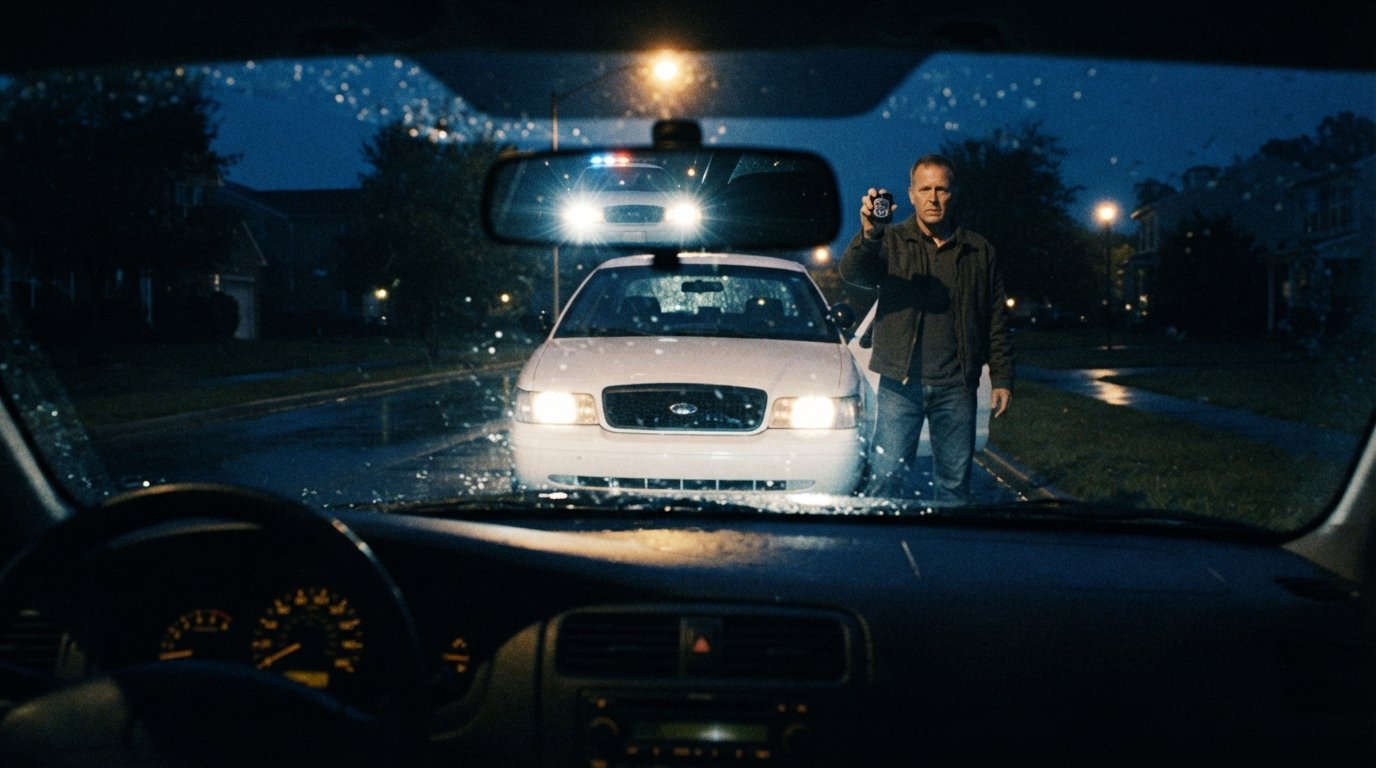
You are driving home late when a vehicle behind you flashes its lights and a person in plain clothes steps out, identifies himself as a police officer, and orders you to pull over. Or perhaps you are stopped by an officer from a neighboring town who says he witnessed you swerve. In either case, you are now facing a DUI charge, and the first question that should come to mind is simple: was that stop even legal? A DUI arrest by an off duty officer raises complex questions about jurisdiction, citizen's arrest authority, and constitutional limits on police power. The answers can determine whether evidence gets suppressed and whether the charge survives. This article explains the legal principles that govern off-duty and out-of-jurisdiction stops, how courts evaluate lawfulness, and what steps you can take to protect your rights. It is educational only and not legal advice; for guidance on your specific situation, consider requesting a free, confidential case review from a participating attorney through AutoInjuryAccident.com's DUI resource page.
Understanding the Off Duty Officer DUI Stop
An off-duty officer is still a sworn law enforcement officer, but that does not mean every action taken while off duty carries the same legal weight as an on-duty action. The critical issue is whether the officer acted within the scope of his or her authority when initiating the stop and making the arrest. Courts look at a combination of factors: the officer's jurisdiction, the department's policies on off-duty conduct, the specific statutory powers granted to peace officers, and whether the officer was acting in a private capacity or under color of law. In many states, an officer who observes a crime while off duty may still have the authority to make an arrest, but the rules vary significantly. Some states limit off-duty arrests to felonies or breaches of the peace, while others grant broader authority. The location of the stop also matters: an officer from one city generally cannot exercise police powers in another city unless certain conditions are met, such as hot pursuit or a mutual aid agreement. These nuances are why a DUI arrest by an off duty officer whether the stop was lawful is not a yes-or-no question but a fact-specific inquiry.
Consider a common scenario: an off-duty detective is driving home when he sees a car drifting between lanes. He calls 911, follows the car, and eventually activates a personal emergency light to pull the driver over. He then conducts field sobriety tests and arrests the driver for DUI. Was the stop lawful? The answer depends on whether the detective had the authority to effect a stop in that location, whether he was acting within his department's policy, and whether the driver reasonably believed he was being stopped by a police officer. If the detective was outside his jurisdiction, the stop may be challenged as an unlawful exercise of police power. If he was within his jurisdiction but off duty, the analysis shifts to whether off-duty officers retain full police powers. Many courts have held that off-duty officers can make arrests if they are acting within their jurisdiction and the arrest is based on probable cause, but the analysis is rarely straightforward.
Why the Lawfulness of the Stop Matters
The lawfulness of the initial stop is the foundation of any DUI case. Under the Fourth Amendment, a traffic stop is a seizure, and it must be reasonable. Typically, an officer needs reasonable suspicion that a traffic violation or criminal activity is afoot. If the stop was unlawful, any evidence obtained as a result (including field sobriety test results, breath or blood test results, and statements) may be suppressed under the exclusionary rule. Without that evidence, the prosecution may be unable to prove its case, and the charge could be dismissed. This is why defense attorneys scrutinize the stop so carefully. In cases involving off-duty officers, the defense may argue that the officer lacked the legal authority to stop the vehicle in the first place, which taints everything that followed. A successful suppression motion can be a game-changer.
However, not every irregularity renders a stop unlawful. Courts apply a good-faith exception in some situations, and they may consider whether the officer acted as a private citizen rather than a police officer. If an off-duty officer makes a citizen's arrest, the legality of the stop may be judged under citizen's arrest statutes rather than police authority. That distinction can be crucial. For example, a citizen's arrest may be lawful if the citizen witnessed a felony or a breach of the peace, but the citizen generally cannot conduct a full investigation or compel a blood draw. The interplay between police powers and citizen's arrest authority is a key battleground in these cases. For a related scenario involving arrests when the driver was not actually driving, see our article on DUI arrest without driving: keys not in ignition.
Jurisdictional Limits on Off-Duty Arrests
Jurisdiction is often the central issue in an off-duty officer DUI case. A police officer's authority is generally limited to the geographical boundaries of the jurisdiction that employs him or her. An officer from City A typically cannot make an arrest in City B unless specific legal exceptions apply. These exceptions vary by state and may include:
- Fresh pursuit (hot pursuit): An officer who observes a violation in his jurisdiction and immediately pursues the suspect into another jurisdiction may retain arrest authority.
- Mutual aid agreements: Many jurisdictions have agreements that allow officers to act in neighboring areas under certain conditions.
- Statewide peace officer authority: Some states grant peace officers statewide authority to make arrests for any offense committed in their presence, regardless of jurisdiction.
- Citizen's arrest: If the officer was not acting under color of law, he or she may rely on citizen's arrest authority, which is generally more limited.
The applicability of these exceptions depends on the facts. For instance, if an off-duty officer from a small town witnesses a DUI in a neighboring city, he may not have authority to stop the vehicle unless he is in fresh pursuit or has statewide authority. If he makes the stop anyway, the defense can argue that the stop was unlawful because the officer exceeded his jurisdiction. Courts will then examine whether the officer was acting as a police officer or as a private citizen. If he identified himself as a police officer, displayed a badge, or used police equipment, the court may find that he was acting under color of law, which means he needed lawful authority to act. If he was merely a private citizen who witnessed a crime, the analysis shifts to citizen's arrest rules.
Some states have statutes that explicitly address off-duty officers' authority. For example, in some jurisdictions, an off-duty officer retains full police powers as long as he or she is within the employing jurisdiction, even if not formally on duty. In others, off-duty officers are considered private citizens unless they are called to duty. These statutory differences mean that the same facts could lead to different outcomes in different states. It is also important to note that department policies may impose additional restrictions. An officer who violates department policy by making an off-duty stop may face internal discipline, but that does not automatically make the stop unlawful for Fourth Amendment purposes. Courts generally focus on statutory authority and constitutional reasonableness, not internal policy violations.
Citizen's Arrest and Private Person Rules
When an off-duty officer acts outside his or her jurisdiction or without proper authority, the arrest may be evaluated under citizen's arrest laws. Citizen's arrest statutes vary widely, but they typically allow a private person to arrest someone who has committed a felony or a breach of the peace in the person's presence. Some states also permit citizen's arrests for certain misdemeanors, but the rules are often stricter than those for police officers. The key question is whether the off-duty officer was acting as a private citizen at the time of the stop. If so, the legality of the stop depends on whether the citizen's arrest was authorized by state law. If not, the stop may be unlawful.
There are practical limits to citizen's arrest authority. A private citizen generally cannot conduct a full DUI investigation, request field sobriety tests, or compel a breath or blood sample. If an off-duty officer attempts to do these things while acting as a private citizen, he may be exceeding his authority. Moreover, citizen's arrests often require that the arrestee be promptly delivered to a law enforcement officer. If the off-duty officer holds the suspect for an extended period without turning him over to on-duty authorities, the detention may become unlawful. Courts also consider whether the officer used excessive force or violated the suspect's constitutional rights. In many DUI cases, the defense will argue that the off-duty officer's actions amounted to an unlawful detention because he was not acting within his police authority and did not comply with citizen's arrest requirements.
It is also worth noting that some states have abolished or severely limited citizen's arrest authority. In those states, an off-duty officer acting outside his jurisdiction may have no legal basis to stop a vehicle at all. That can lead to suppression of evidence and dismissal of charges. However, the prosecution may argue that the officer was acting under color of law and that the stop was lawful under the good-faith exception. The outcome will depend on the specific facts and the law of the state where the stop occurred. This is why consulting with an attorney who knows local law is essential.
Challenging the Stop Through a Suppression Motion
If you believe the stop was unlawful because the officer was off duty or outside his jurisdiction, the primary legal tool is a motion to suppress evidence. A suppression motion asks the court to exclude evidence obtained as a result of an illegal stop or arrest. To succeed, the defense must show that the stop violated the Fourth Amendment or state law. The burden is typically on the defendant to raise the issue and present evidence, but once that is done, the prosecution must prove that the stop was lawful. In off-duty officer cases, the defense will focus on:
- The officer's authority: Was the officer within his jurisdiction? Was he acting under color of law or as a private citizen? Did he have statutory authority to make the stop?
- The basis for the stop: Did the officer have reasonable suspicion or probable cause? If acting as a private citizen, did he witness a qualifying offense?
- Department policy: Did the officer violate internal policies regarding off-duty conduct? While not dispositive, policy violations can support the argument that the officer exceeded his authority.
- The scope of the detention: Did the officer prolong the stop beyond what was necessary? Did he conduct field sobriety tests without authority?
If the court finds that the stop was unlawful, any evidence derived from it, including the officer's observations, field sobriety test results, and chemical test results, may be suppressed. Without that evidence, the prosecution may be forced to dismiss the DUI charge. However, suppression motions are not guaranteed to succeed. Courts may find that the officer was acting lawfully under a particular exception or that the evidence would have been discovered inevitably by on-duty officers. The analysis is highly fact-specific, and the outcome depends on the quality of the evidence and the arguments presented.
It is also possible to challenge an off-duty officer's stop on other grounds, such as a violation of the driver's Miranda rights or a failure to comply with implied consent laws. But the lawfulness of the stop is usually the threshold issue. If the stop was unlawful, the rest of the case may fall apart. That is why experienced DUI defense attorneys carefully investigate the circumstances of the stop, including the officer's duty status, location, and authority. They may subpoena department records, review dispatch logs, and interview witnesses to build a record for the suppression motion.
Why Details of Who Stopped You and Where Matter
The identity and status of the officer who stopped you are critical details. Was the officer in uniform? Did he display a badge? Did he use emergency lights? Did he identify himself as a police officer? These facts help determine whether the officer was acting under color of law or as a private citizen. If the officer was in plain clothes and driving an unmarked car, the driver may not have known he was a police officer, which could affect the analysis. The location of the stop is equally important. Was it within the officer's jurisdiction? If not, did any exception apply? Was the officer in fresh pursuit? Did he have statewide authority? These details can make or break a suppression motion.
Additionally, the timing matters. Was the officer on his way to or from work? Was he in a department vehicle? Did he call for backup or notify dispatch? All of these factors can shed light on whether he was acting within the scope of his employment. Some courts have held that an officer who is off duty but takes police action is still acting within the scope of his employment if he is performing a police function. Others have held that off-duty officers are private citizens unless specifically authorized. The legal landscape is complex, and it varies from state to state.
For drivers facing a DUI charge, the key takeaway is that the circumstances of the stop should be thoroughly investigated. If you were stopped by an off-duty officer, you may have a viable challenge to the lawfulness of the stop. But you need an attorney who understands the nuances of your state's law and can develop a strategy. If you are unsure where to turn, consider using a service like CheapInjuryLawyer.com to request a free case review and connect with a participating attorney. Such services can help you understand your options without obligation.
Practical Steps If You Are Stopped by an Off-Duty Officer
If you find yourself being stopped by someone who may be an off-duty officer, it is important to protect your rights while remaining safe. Here are some practical steps to consider:
- Stay calm and pull over safely: Whether or not you believe the stop is lawful, it is generally safest to comply with the signal to stop. You can challenge the lawfulness later in court.
- Ask for identification: Politely ask to see the officer's identification and badge. Note the officer's name, department, and whether he is in uniform or a marked vehicle.
- Document the details: If possible, remember the location, time, and any statements the officer made. Note whether he was in a personal vehicle, whether he used emergency lights, and whether he identified himself as a police officer.
- Do not resist or argue: Arguing or resisting can lead to additional charges. Comply with lawful orders, but you can politely decline to answer questions beyond providing identification if required by your state's law.
- Contact an attorney promptly: As soon as possible, consult with a DUI defense attorney who can evaluate whether the stop was lawful and advise you on next steps.
Following these steps can help preserve evidence and ensure your rights are protected. It is also wise to write down everything you remember as soon as possible, while the details are fresh. If there were witnesses, try to get their contact information. If the officer was off duty and not in a marked vehicle, that fact may be important for your defense.
How AutoInjuryAccident.com Can Help
AutoInjuryAccident.com is a consumer matching platform that connects people facing DUI or DWI charges with participating attorneys across the United States. The site is not a law firm or a lawyer referral service, and it does not provide legal advice. However, it offers a free, confidential case review process that can help you understand your legal options and connect with an attorney who may be able to assist you. Submitting a form does not create an attorney-client relationship and does not obligate you to hire a lawyer. It is simply a way to get information and explore your choices. If you are dealing with a DUI arrest by an off duty officer whether the stop was lawful, an experienced attorney can review the facts and advise you on potential defenses, including a motion to suppress. To learn more or to request a free case review, visit AutoInjuryAccident.com's get a quote page.
Remember that fault rules, insurance, and deadlines vary by state, so it is important to act quickly. The sooner you speak with an attorney, the sooner you can begin building your defense. Whether you were stopped by an off-duty officer or an on-duty officer, the lawfulness of the stop is a critical issue that deserves careful attention. With the right legal guidance, you can protect your rights and work toward the best possible outcome.